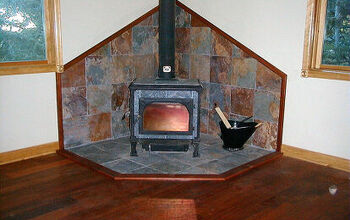
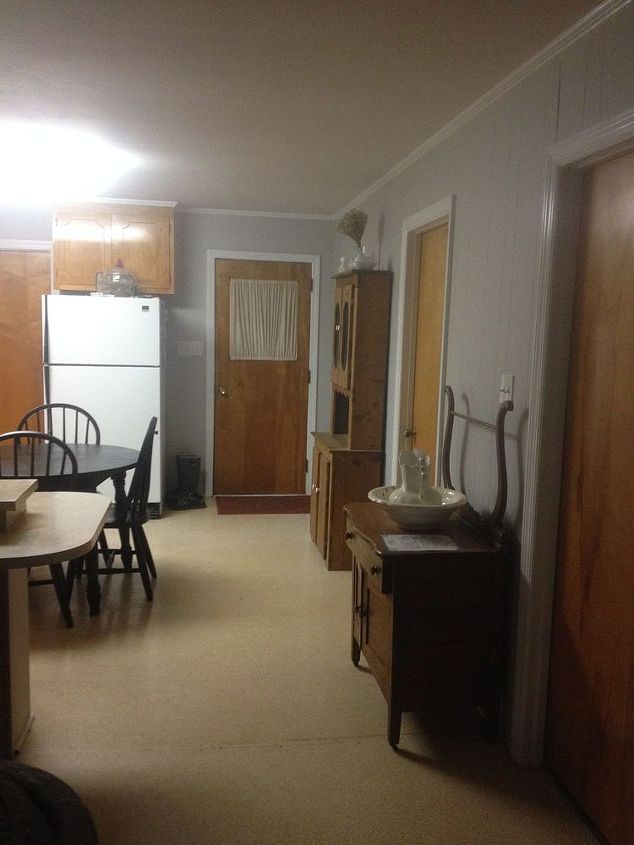
I am looking for some ideas for using rock behind/under my new wood burning stove on a wall between two doors.

by
Shari P



+1
4 answers
-
I'm confused by your question. Can you post a photo that might help us picture your situation better.
 3po3
on Apr 28, 2012
3po3
on Apr 28, 2012
-
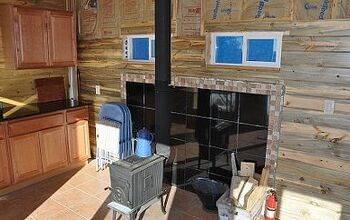
Shari, you must be careful when installing a wall behind any type of wood burning device. While a brick or stone wall looks great, you must remember that heat will be absorbed by the stone and bricks and transfer into the wooden structure behind. If you decide that you want this type of look, you need to construct a faux wall that does not connect to the building structure itself. Using metal studs with cement board is a perfect example of how to do this. By constructing a wall that allows air to travel behind and between it and the older wall you prevent that overheating that can cause the potential for a fire in the home. You do not need a lot of space also. Leaving one inch gap is all that is required to prevent this heat transfer from happening.
Woodbridge Environmental Tiptophouse.com
on Apr 29, 2012
-
The "floating" wall woodbridge mentions is a great trick if the stove is too close to the wall for "normal" clearances. Some stoves have pre-installed "heat shields" and therefore reduced clearances. In a number of the stoves I have installed the stone or tile work is outside the "hot" zone and merely in the "warm" zone. Here regular tile methods are fine. you should have all of these "clearance" dimensions with your stove install booklet. If you you can get them from the stove's manufacturer.
KMS Woodworks
on Apr 29, 2012
-
stick with your clearances as in the Mfr'sbook. I porcelain tile under my cast iron cookstove and a black metal heat shield at the back -- even though it gets just comfortably warm there. It made the insurance company happy. Check with the insurance company too - they want to know if there is a wood stove on premises. If they dont know and you have a fire, they can refuse to pay
Barbara
on Jan 10, 2016
Sign Up to Answer
Related Discussions







Suggested Project Book