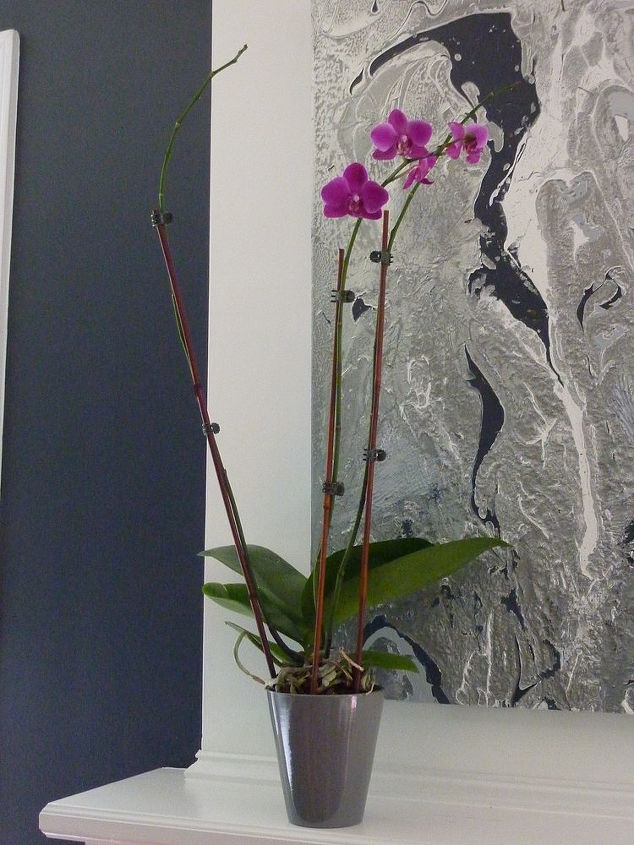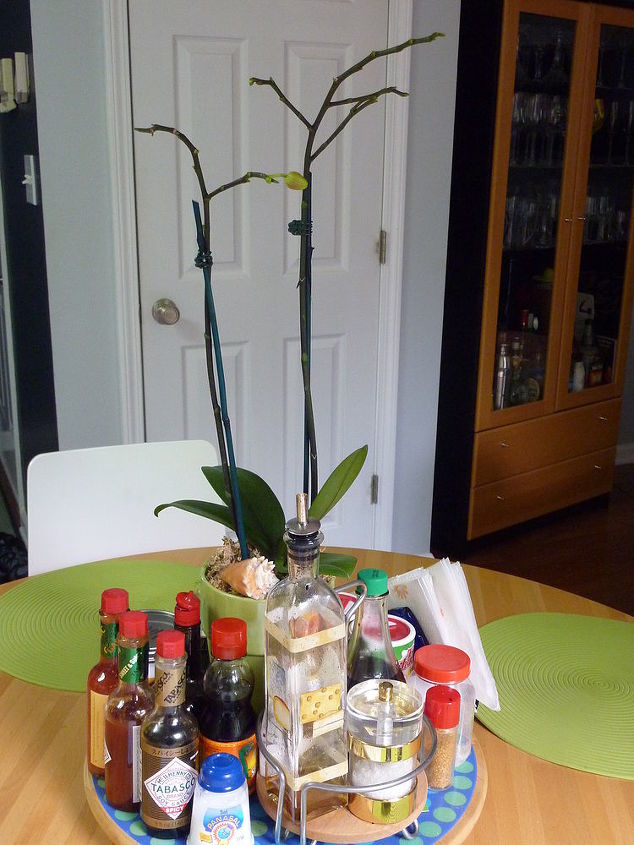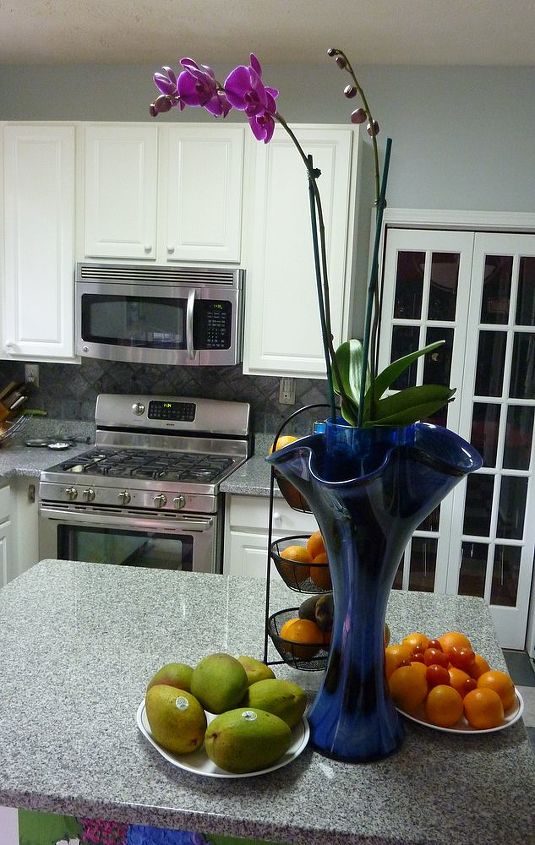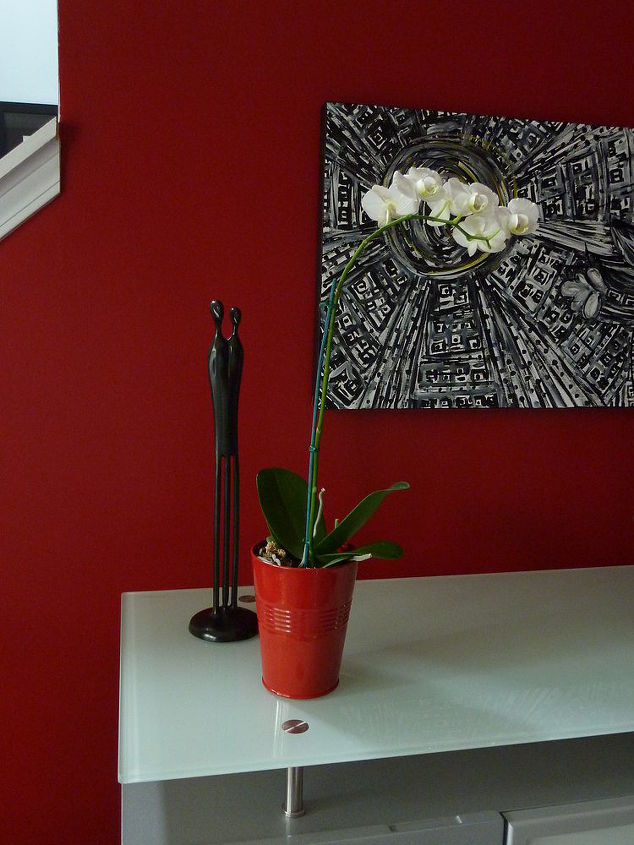

Easiest plants to keep in the house! Years ago a nursery place told me to put 2 TBSP of water on my orchids every 8 days or when their 'soil' is dry, they do not like to be wet. Just put them in a non-drafty area and indirect sunlight. I keep them all over my home now and they last forever and re-bloom for me. I even pot them in my bigger pots and put several in the same pot. I LOVE to give them as flower arrangements for special occasions or birthdays!
I have luck with Kroger's orchids priced from 9.99 to 19.99 and IKEA's orchids 9.99 to 17.99.
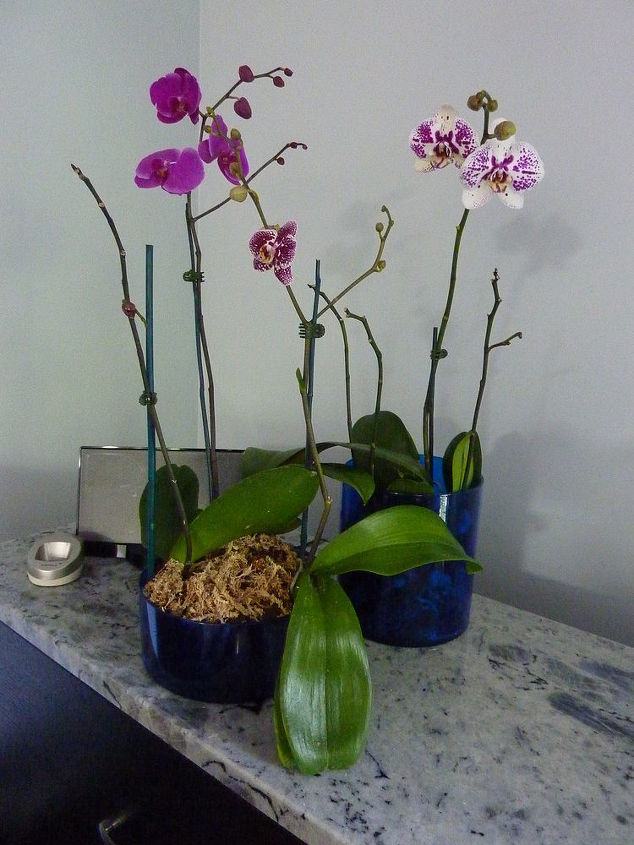
is there any more that I need to keep in mind before buying my first orchid?
The basic constitutes of potting mixtures for orchids is bark or coarse peat. These two are organic but break down slowly over time thereby requiring repotting in the future. They also have excellent drainage of excess water and moisture retention capabilities. Coarse peat is suitable for fine root orchids. Other types of basic potting mediums are inorganic. These too also have excellent drainage and moisturizing abilities. They do not break down over time and are usually clay pellets or perlite.
A few other repotting mediums are sphagnum moss, charcoal, polystyrene and coconut fibre. Dry sphagnum moss is recommended than live moss and should be moistened before using. This is often combined with bark. Charcoal from hardwood is used not for drainage or as a moisturizing agent but as a medium to absorb toxins. Charcoal is not recommended if your tap water is hard. Polystyrene foam is cheap, light weight and has excellent medium properties for orchids. They are an exceptional crocking material. This medium is great with bark but not recommended with coarse peat. Coconut fibre is good for keeping the mixture moist if for some reason the mixture dries out quickly. However it is not as free draining as bark.
There is no correct mixture for orchids but a general basic mix for beginners is 6 parts bark of medium grade, 1 part of perlite and 1 part of charcoal. For fine root orchids, 4 parts bark of fine grade, 1 part perlite and 1 part charcoal.
For terrestrial orchids the same mix above also applies but if you have a preference to a soil based mixture then a sample mix would consist of 1 part of coarse peat, 1 part of sharp sand and 1 part of sterilized loam.
More details can be found in 'Essential Reading for Successful Orchid Growing.'
Preparation of Potting Medium
When repotting orchids, new unused potting material must be moisturized by soaking in water before it is used for the first time. New potting material doesn't absorb water or retains moisture as old mixtures do. They dry out quickly and do not hold moisture properly. Moisturizing will ensure your orchid will have enough water after it is initially repotted.
1. Start getting the potting medium ready 24 hours before you actually move the orchid.
2. Place your potting material into a container that's at least twice as big as what you actually need.
3. Add hot water and wait for 24 hours. The never before used mixture will absorb hot water better than cold water.
Once the 24 hours are over, pour the mixture through a strainer and rinse well with cold water to wash out dust and other impurities. The mixture is now ready for use as a potting mix. Or if one chooses not to presoak for 24 hours there are ready made mixes available from orchid suppliers that do not need presoaking.
Orchid Repotting – Step by Step
Generally, orchids should be repotted every 2 years (depending on the type you have). Sometimes, because of disease, or deteriorating medium or because the orchid has outgrown its pot, you may have to repot orchids sooner. This repotting guide will help you through the process, step by step.
What you will need:
• Clean, dry newspaper
• Alcohol (to wipe down tools)
• A sharp knife, secateurs or a razor blade
• Tweezers
• Nitrile or vinyl gloves
• Stake
• Twine
• Disinfectant
• Screwdriver
1. Put on your gloves.
2. Soak your orchid plant initially in water to loosen old decomposed potting mix. This also helps to make the roots more flexible for removing from the mix. Allow to soak in water for one hour.
3. Sterilize your cutting tools with rubbing alcohol or by holding them under a flame.
4. Spread out the newspaper on a clean surface. Whenever you repot another orchid, be sure to change your gloves to prevent the spread of disease.
5. Carefully remove the orchid from the pot by gently pulling the plant, taking care not to damage the orchid roots and stem. If the orchid is stuck, use your knife or screwdriver to pry roots away from the pot edges.
6. Remove as much of the old material as you can. Use tweezers to gently pull caked-on material from the root system. Any dead, brown or mushy roots should be cut off with the razor. Spray roots with disinfectant. Check for any insects that might be clinging to the roots.
7. Add a little material to the orchid pot and place the plant in it. Add enough material to cover the roots but not the crown of the orchid. Put in the stake and mark type and the date. Water it gently and keep it at a lower light for a couple of days to help it readjust to the new surroundings.
Getting the timing right to repotting.
It is crucial to repot your plant at the correct time of year. A bad decision on when to repot will have an effect on its development by inhibiting or delaying growth. In most cases the proper time to repot an orchid is at the stage of vigorous growth of the orchid root system. This is usually as new roots just begin and have not yet grown more than half an inch long. New roots are indicated by the development of pseudobulbs, leaves or when it has already flowered. However with the cattleya alliance they will develop new pseudobulbs without the appearance of new roots. So cattleya should then be repotted as the roots appear. On the other hand Paphiopediums can be repotted at any time whether their roots are in the growing stage or when the plant is in its resting period it does not matter. The repotting of most orchids should then be between the final weeks of winter to early spring where new growth of roots occurs.
So whatever is the reason for repotting whether your orchid has outgrown the pot or because of decomposed potting mix, if you repot at the correct time of year, that is in the stage of root growth, late winter to spring then your orchid will blossom the following year.
~ all I do is bring it from the store pull it from the store pot and then choose my pot (same size as store's base usually~makes it easier)
~ then I put it in new pot with nothing on the bottom but it's own roots, and then on top I cover it with mulch, bark, pebbles, rocks, moss or anything that will let the water run down easily. ...»
That is it~ Gloria's version is much more involved, I have never had to get that involved at all! And I do this all year round no matter when I buy them.

If so I would have never gotten into Orchid gardening !
Jenny I would try and repot it into a drier environment.Good luck!
Esther I try to buy them with as green and firm leaves as possible if I see yellowing or limping I stay away from them