I live in an apt and have mold coming out of my ac vent the management company is sending a co in to clean the ducts he

by
Vicky G


+24
said he will be using a strong chemical that smells like alcohol and recommends I leave while he does it. Does anyone know what chemical it is and is it going to leave a residue on any of my furniture that I should be concerned about? Thx for any info
27 answers
-
When I worked in the Pharmaceutical industry we often used alcohol based cleaners for surfaces...they were very smelly during the actual process of cleaning ...as the alcohol was being used / evaporated. After about 20 min. the smell was gone. This treatment only works for "hard" surfaces. Alcohol based product should never be used on, fabrics, carpets etc.
KMS Woodworks
on Nov 05, 2011
-
Also have the management company pay for a follow-up inspection to make sure all the mold is gone for good.
 3po3
on Nov 05, 2011
3po3
on Nov 05, 2011
-
It could be the mold is only on the outside of the vent where some condensation is occurring.
 Peace Painting Co., Inc.
on Nov 05, 2011
Peace Painting Co., Inc.
on Nov 05, 2011
-
Something does not smell right with this. No joke. There should be no chemicals that they use and "suggest" you leave. Either they are using something that you should not be breathing, which is most of the chemicals that they use when cleaning mold, or there is something else going on there. I would suggest that you receive a Material Safety Data Sheet from them telling you exactly what they are using. Chemical use to remove mold in a multifamily dwelling requires special licenses from the EPA and special notifications to all tenants when they are used. I would also suggest that you contact the township board of health to put them on record on what they are about to do. If you get sick from incorrectly performed cleaning or chemical use after the fact, you want this on record with the town you live in. I know that may sound like overkill, but that is just it. If they are fogging your homes ducts and some gets into your home, what are the risks? What about pets, fish? Do you need to clean your furniture? Alcohol is not used in mold removal. It is flammable and does not work. Do not let them do anything until you speak with the township and also find out what kind of molds they are removing. Let the township board of health guide you on this just in case. It may just be a grill cleaning as Peace stated, But if its truly mold issues, you want to be sure who ever is doing this work does this work for a living. Associations tend to not like to spend money and may only be hiring someone who has no business in doing this type of work.
Woodbridge Environmental Tiptophouse.com
on Nov 06, 2011
-
Honestly, the Management should offer to move you (movers at their cost) to a better apartment. If it is in the a/c vent, who is to know it is not INSIDE the vent tubing? In that case, you would still be breathing in spores carried down into your rooms. I think you really should look into this. Our kids once rented an apt. with mold, and my son still has issues...
 Veenu
on Nov 10, 2011
Veenu
on Nov 10, 2011
-
Mold is really serious and I had similar problems as you discussed. My families health was seriously affected, especially mine. The best thing to use is Concrobium. It's safe for people with Chemical Sensitivities and is approved by the EPA from what I remember. You can purchase it at Lowe's or Home Depot. I would ask your landlord to use this instead, so there is no moving or leaving the premises involved. There is no smell with it and it can even be used on furniture, carpet, etc..... Google Debray Lynn Dadd she has an amazing website where you can get further info and she will answer your questions.
 Sandra U
on Nov 11, 2011
Sandra U
on Nov 11, 2011
-
Let me tell you also what worked to get rid of the mold out of our vents. We "baked" our vents and home. We made sure nothing was around the vents, closed up the house and vents ,so the heat would stay in the ducts, left for the beach for the day, and turned the central heat on as high as it would go. You can read about baking your home to outgas things at Debra Lynn Dadd's site, I mentioned it above. Also, I read an experts site years ago about baking your vents to get rid of mold. It worked for us and it's suppose to be done for atleast 24 hours, we were only gone for about half the day.
Sandra U
on Nov 11, 2011
-
You did nothing to remove the mold by heating it up. All you did was dry up moisture and maybe remove some of the smells as a result which may have stopped the mold from growing. Dry mold is just as bad for you as mold that is viable. As far as removal of issues in a multi-family residence. The owner of the property needs to bring in professionals not use some over the counter product that has no real use other then to make things smell better. The landlord would be deeply liable if they choose to use a over the counter remedy instead of proven methods outlined in IICRC S500 Guidelines and Bioaerosols Assessment and Control put at by ACGIA Both are the bibles in microbial remediation. Being approved by the EPA does not make this a product that someone can use without special knowledge in microbial cleaning can make the issue worse and not better. And I do not want to beat you up but as far as Debra is concerned. Still one more person using the internet to sell her services with making claims that cannot be proven. While she has some real good information. I would not rely on her information if I was responsible for cleaning up someones home. In fact her web site has a disclaimer saying using her advice is your responsibility.
Woodbridge Environmental Tiptophouse.com
on Nov 11, 2011
-
One of my areas of expertise when I worked in the Pharmaceutical industry was "sterile" systems. For deactivation of mold and other "living" things you need to be in the 180 degree range for some time....we used 250 degrees in most of our "sterile systems" these were steam at presure systems. The only area of a home that would sustain "kill" temps would be the combustion chamber of a gas or propane furnace...an that area would only extend a foot or so out. Even a water heater at 150 degrees does not kill everything. "Baking" your house may dry things out as woodbridge mentioned but you did not do squat when it comes to spores viability etc.
KMS Woodworks
on Nov 12, 2011
-
Wow! What an education. I hope things work out for you, I still feel that you should be moved to a mold / trouble free apartment, so the house can be empty and people could treat it properly, and return to check that it is working, no matter how long it takes.
Veenu
on Nov 13, 2011
-
Actually, the mold was removed. And if not, it must have at least been reduced down to a safe enough level, because I'm symptom free in my home. Which is unheard of if there is a mold issue because I'm very sensitive to it. I'm the proverbial Canary in the coal mine when it comes to mold issues or chemicals. I'm extremely allergic to it and get pretty ill when I'm around it, I suffer from MCS aka Environmental Illness. When I came home we were able to turn the vents on with no ill effects.
Sandra U
on Nov 14, 2011
-
Here is some information on Concrobium if you are interested in that route. I'm not an expert, but it has worked for me and I am seriously very sensitive to mold. I've had to sleep in my car in the past due to the serious nature of my mold sensitivities. I get extremely ill just entering a home that has a mold problem. Recently, we moved into a home where it was in the duct system. We tried heating it as hot as it would go for half the day, atleast. I did not expect this to work, and when I came home I was very afraid of using the A/C. However, after having it on I was no longer having symptoms. That's the only thing different we did, and it worked. Mold is very serious so you need to look into this yourself and do what you feel is the safest and most assured route. Using professionals to come in and clean mold out with chemicals is not a route I can take, but maybe you can. Using high heat and concrobium ( concrobium was mainly for our walls) worked for me. This may not be the perfect or most professional route but it's been months and there has been no re-occurrence of mold. Maybe it worked enough to bring the levels down where I could tolerate them. I'm not an expert, so I don't know. I do know that I've frequented many hospitals from mold issues and slept in my car many nights because of my extreme sensitivity. I do know that I can't tolerate a lot of the chemicals people have used in mold remediation and concrobium has helped with that. EPA REGISTRATION Why is EPA registration important for an antimicrobial product like Concrobium Mold Control? Any product claiming to eliminate or prevent fungi or mold requires registration with the US Environmental Protection Agency. Registration is issued after review of efficacy data. Is Concrobium Mold Control EPA-registered? Yes, Concrobium Mold Control's EPA registration number is 82552-1. CONCROBIUM MOLD CONTROL INGREDIENTS What is Concrobium Mold Control made of? Concrobium Mold Control is a patented blend of inorganic compounds which have been combined in a proprietary way. The unique solution produces an invisible, antimicrobial film that eliminates mold upon drying, and stays on the surface to continually resist mold growth. Concrobium Mold Control is the subject of over 20 patents and patents pending in over a dozen countries worldwide. I see Sodium Carbonate listed on the label. Is Concrobium Mold Control just Sodium Carbonate (washing soda) and water? No. Sodium Carbonate is the listed "active ingredient" on the Concrobium Mold Control label, but in fact there are two other ingredients in the solution which, when combined with the sodium carbonate and the water, result in this patented tri-salt polymer that eliminates and prevents mold. (Sodium Carbonate and water alone are not effective against mold.) The solution contains no bleach, ammonia or VOCs. Our Material Safety Data Sheet is posted on our web site [link to concrobium/at home/mold resources] BLEACH Can't I just use bleach to get rid of the mold in my house? Bleach can be toxic and poses health risks to users and to occupants during and after use. Also, bleach will not prevent the mold from returning to the cleaned surface. It may look clean once you're done, but the mold will grow back within weeks. Bleach is particularly ineffective at treating mold on porous surfaces such as drywall, lumber and grout. I've already treated an area with bleach. Can I use Concrobium Mold Control now? When bleach attacks surface mold, it leaves a carbon layer residue that prevents Concrobium Mold Control from penetrating to the mold roots or hyphae. This can limit the product's effectiveness. If you've already treated a moldy area with bleach in the past, you should first wipe the area down with warm water and detergent to remove the layer. Once the area is dry, apply Concrobium Mold Control as recommended in the usage instructions. Can I add bleach to Concrobium Mold Control? Concrobium Mold Control is ready to use. Any added substance will act as a dilution and affect Concrobium Mold Control's efficacy. SAFETY PRECAUTIONS Do I need to wear a mask when using Concrobium Mold Control? Concrobium Mold Control does not contain any VOCs and does not off-gas. However, if you're in an area with heavy mold growth, a mask would be a good idea to limit your inhalation of harmful mold spores. If fogging, it's a good idea to avoid breathing in excessive moisture from the fog. Do I need to evacuate the area when using Concrobium Mold Control? No. Concrobium contains no ammonia, acids, bleach or VOCs. Evacuation of the area during use is not required. Is Concrobium Mold Control safe around animals? Yes. It leaves no residue that would be harmful to animals. I can't find your Material Safety Data Sheet (MSDS)? To access the Material Safety Data Sheet and other technical information for Concrobium Mold Control, please click here. COVERAGE How much Concrobium Mold Control do I need? The product works as it dries, so the surface only needs to be lightly wetted for it to be effective. Avoid over-application as it can result in some white residue forming as the product dries. If you do get residue, just wipe it away with a Concrobium Mold Control -dampened cloth. What kind of surface coverage can I expect from Concrobium Mold Control? Surface coverage will depend on surface absorbency and application method. The more porous the surface (e.g., fabrics), the more product will be required. Raw construction materials like drywall, wood products and cinder blocks will be more absorbent than painted surfaces or smooth surfaces like vinyl or poured concrete. Fogging will give you the greatest coverage – 1 gallon will cover approximately 1,500 sq. ft. of surface area (the equivalent of all the walls, ceiling, and floor in a 20' x 20' room). If using a compression or garden sprayer, a fine mist nozzle should give you approximately 250-500 sq ft of surface coverage. USING CONCROBIUM MOLD CONTROL Can I use Concrobium Mold Control in the kitchen? Yes. Concrobium Mold Control contains no bleach, ammonia, alcohol or other harmful chemicals, making it appropriate for food-serving areas. Can I use Concrobium Mold Control in the shower? Yes. Concrobium Mold Control is an effective solution for eliminating and preventing mold in the shower. Repeated exposure to water may require more frequent applications to ensure microbial resistance. Can I use Concrobium Mold Control outside? Concrobium Mold Control was primarily designed to eliminate and prevent indoor mold. Our two new products, ConcrobiumXT Eco Wash™ and ConcrobiumXT Mold [link to concrobium/new products] Defense™ are ideal for cleaning moldy exterior surfaces and protecting them from mold growth. How often should I apply Concrobium Mold Control to prevent mold growth? Concrobium Mold Control bonds to the surface at a molecular level and is difficult to remove. However, if it has been applied to a surface that is continually exposed to water (e.g., leaking, washing, running water), you may need to reapply the product periodically to maintain protection against mold growth. I sprayed Concrobium Mold Control on the surface and let it dry, but the mold is still there. Why? Concrobium Mold Control contains no bleach or whiteners. Once you have sprayed the solution on the moldy surface and allowed it to dry, the mold has been encapsulated and eliminated – in other words, your mold problem has been eradicated. If staining or residue remains, scrub with a Concrobium-dampened cloth or brush – or take other cosmetic steps to improve the look of the surface. Remember that once the cleaning step is complete it's important to leave a layer of Concrobium Mold Control on the surface to provide mold resistance. What technique do you recommend for applying Concrobium Mold Control? Depending on the area or surface you are treating with Concrobium Mold Control, you can apply the solution by: spray bottle (small targeted areas); brush or roller (trim); pump sprayer (large, accessible areas like walls); or cold fogger (large, enclosed areas like basement or attics). Will Concrobium Mold Control penetrate drywall / flooring / other barriers. What if the mold is growing behind the wall? Concrobium Mold Control needs to make direct contact with the moldy surface to be effective. If mold is suspected behind drywall you will need to remove the drywall to treat the area or create / find an opening into which Concrobium Mold Control can be sprayed or fogged. The solution will not penetrate a solid barrier. How long does Concrobium Mold Control take to dry? Drying time depends on humidity levels and temperature in the area as well as the surface to which the solution was applied. Generally it will dry in less than 2 hours. If you are painting on top of the Concrobium Mold Control application you should allow 24 hours of drying time. If fogging, open windows to accelerate drying and to facilitate air exchange after fogging is complete. Will Concrobium Mold Control freeze? Yes, Concrobium Mold Control can freeze in sub-zero temperatures. If it does freeze, the product can still be used after thawing and stirring or shaking it up. My front-end loading washing machine smells moldy sometimes – can Concrobium Mold Control help? We've had customers report good success treating the front rubber ring and others parts of front-end loaders ... give it a try! (But just make sure it dries before running the unit again – remember Concrobium Mold Control works as it dries.) How long will Concrobium Mold Control last? One application should be satisfactory as long as there is no water or humidity problem in the area. More frequent application may be required for shower and bathtub applications (ie. where the area is exposed to running water) or in areas where there is excessive humidity or condensation. Can Concrobium Mold Control be mixed with water? No, the product is ready-to-use and should not be diluted. Can I use a sprayer to apply Concrobium Mold Control? Yes, compression or garden sprayers (available at local home improvement retailers) are an excellent way to cover large surfaces that are easily accessible. It is important to use the nozzle that creates the finest mist. After spraying, wipe off excess wetness to ensure an even coating of the solution. Can I paint over Concrobium Mold Control? Yes. Regular household latex paints adhere very well to Concrobium Mold Control-treated surfaces. If you wish to treat and then repaint a moldy surface, first apply the solution to clean the affected area. Allow to dry and then repaint. To prevent regrowth, retreat the newly painted area with Concrobium Mold Control - ensuring first that the newly painted surface is dry. If I'm painting a moldy wall, do I need to treat with Concrobium Mold Control before priming? Yes. To ensure that the mold on the surface does not grow through the paint or priming, you should first treat the moldy surface with Concrobium Mold Control. Once it has dried, you can then proceed with your painting project. Remember, it's a good idea to treat the finished wall with more Concrobium Mold Control after the paint has fully cured, to ensure long-lasting protection of that area from future mold growth. I used Concrobium Mold Control and nothing seemed to happen. Am I doing something wrong? When Concrobium Mold Control dries on the moldy surface it encapsulates and crushes the cells right down to the root structure of the mold spores. This action is not visible, but you can be assured that it's working. While you may be used to using bleach or bleach-based products that whiten the mold stain, this product contains no bleaches or whiteners so may require some mechanical action to remove the stain. I used the product on damp basement walls where I have water coming in from outside. The mold came back after a week. What did I do wrong? Concrobium Mold Control works as it dries. If the surface on which you're applying the product is continuously wet, it may never get the chance to dry and may never therefore get a chance to work. Whatever the mold problem you're having, you should always deal with the root cause of the water intrusion before using our product. Does Concrobium have an odor? Concrobium Mold Control is odorless. Is Concrobium Mold Control safe to use around plants and greenery? Yes, Concrobium Mold Control and ConcrobiumXT products are safe to use around plants and greenery. Concrobium Mold Control and ConcrobiumXT products do not require that surronding plants and grass be covered, however spraying directly onto plants is not recommended. If significant overspray makes contact with plants you may wish to consider spraying or misting the plants with water. SURFACES On what surfaces can Concrobium Mold Control be used? Concrobium Mold Control is EPA-registered for and effective on both hard and fabric surfaces, including wood, drywall, tile, stone, cement, masonry, fabric, upholstery and virtually any other household surface. If you're uncertain, contact us [link to concrobium/about us/contact us] or test on an inconspicuous section. Can I use Concrobium Mold Control on fabric? Yes, Concrobium Mold Control is effective on fabrics. It is EPA-registered for use on both hard and fabric surfaces. What do I do if the surface is badly stained? Concrobium Mold Control is a very effective cleaner, though in some circumstances you may find that the mold stains left on a surface are embedded and very difficult to scrub away. In this case, ensure that the treated surface is completely dry so that the mold spores have been eliminated. Next, address the cosmetic stain by, for example, painting a stained wall, or using a grout whitener on a mold-stained tile wall. Finally, to ensure that surface is protected against future mold growth, reapply Concrobium Mold Control and wipe the surface dry. Will Concrobium Mold Control discolor the treated surface? No, Concrobium Mold Control will not discolor hard or fabric surfaces, as there are no bleaching agents in the product. As with any cleaning solution, it's always a good idea to test Concrobium Mold Control on an inconspicuous section first. NOTE: In our years of experience we've encountered just two surfaces that can have negative reactions to Concrobium Mold Control: suede and billiard balls. (We're still not sure why someone would apply it to the latter!) Is Concrobium Mold Control safe for food preparation areas? Yes. Food contact surfaces should be wiped down before use. Can Concrobium Mold Control be used on carpets? Concrobium Mold Control is great for eliminating odors in carpets since its encapsulating action traps and eliminates odor causing particles. It will not discolor the carpet, though it's still a good idea to test on an inconspicuous section first just to be sure. If you suspect mold in your carpet, you should pull it back to see if mold is growing on the subfloor and underpadding as well. Will Concrobium Mold Control remove mold from tile grout? Because tile grout is porous, mold that has grown into it for some time may be very difficult to remove. Using Concrobium Mold Control in conjunction with a stiff bristle brush will get rid of most tile grout mold. However, if the mold has been there a long time, additional measures may be needed. First spray the area with Concrobium Mold Control to treat the mold. Then use a grout whitener to cover or remove the stain. Lastly, once dry and clean, use Concrobium Mold Control again to lay down the protective barrier. Can Concrobium Mold Control be applied to wet surfaces? It is best to allow surfaces to dry first before applying Concrobium Mold Control since excessive moisture or water on the surface can dilute the product and impact its efficacy. Will Concrobium Mold Control harm artwork? Can I use it on moldy artwork or papers that are moldy? Concrobium Mold Control should not harm paper or painted surfaces. However, common sense should be used if an item is of value. If fogging an area, it's best to remove anything that you would not want to get wet. If unsure, test on an inconspicuous area first. Will Concrobium Mold Control remove mold from caulking around my tub? Concrobium Mold Control is effective in removing stains from most surfaces including caulking. Mold that has grown into the porous caulking surface may be difficult to remove, however. It may be more effective to strip out the old caulking, wipe the area down with Concrobium Mold Control and then re-caulk once the area is dry. You should then spray more Concrobium Mold Control on the caulk once it itself is dried. If you do not want to remove the caulking, spray the area with Concrobium Mold Control and allow to dry. Then treat any remaining stains with a whitening agent. Always follow up with more Concrobium Mold Control to provide the protective barrier against future mold growth. FOGGING When fogging Concrobium Mold Control, what contents should be removed from the room? Prior to fogging Concrobium Mold Control, remove or cover any items you would not normally want to get damp, including paper, books and electrical equipment. I have noticed some white residue after fogging on some flat surfaces - what is this? Residue is a normal result of overapplication of Concrobium Mold Control on nonabsorbent surfaces. It is the result of evaporation of the water content from the solution as it sits pooled on a surface. The residue can be easily wiped away with a cloth dampened with Concrobium Mold Control. Adjust application rates accordingly for subsequent applications. What type of fogger or other applicator can I use? You need to use a cold fogger, one without a heating element (i.e., NOT a thermal fogger). You can use any type of electric applicator as long as there is no heat introduced and the product will not be diluted by water. If using an airless sprayer, ensure that the nozzle chosen does not create too fine a mist as the product may evaporate before reaching the surface. MOLD What is the difference between mold and mildew? Technically mildew is the fungi that grow on plants. Most people refer to mold as a dry growth and mildew as a wet growth. Concrobium Mold Control is effective against both. What types of fungi (mold or mildew) does Concrobium Mold Control treat? Concrobium Mold Control works on all types of fungi/mold. Its physical mode of action doesn't differentiate between the type of mold.
Sandra U
on Nov 14, 2011
-
I must chime in on this. The facts that you stated are simply a sales presentation of a product and how to use it. Nothing stated is any different then the use of several other cleaning product and their claims. Using the words EPA registered has no bearing on its ability to control mold, fungi, mildew or anything else you want to call it. This product is one of the several thousands that are used to clean surfaces. Also I would be interested in knowing just what kind of molds your allergic to? I copied this information below just so you understand what it means when it says EPA Registered. Just for clarification, any product that makes claims to kill pests (insects, rodents, bacteria, fungi, viruses) are considered "pesticides" and are regulated by the EPA under the Federal Insecticide Fungicide Rodenticide Act (FIFRA). The EPA requires the product be tested for efficacy (killing of target organisms) using standardized lab protocols, as well as requires the product undergo five toxicity studies -- oral, dermal, inhalation, skin irritation, & eye irritation. The results of these studies determine how the product is rated from a toxicity standpoint and what "precautionary statements" & "Toxicity Signal Word" is required on the label. If it says "DANGER" its Category I - High Toxicity; "WARNING" is Category II - Moderate Toxicity; "CAUTION" is Category III - Low Toxicity; & Category IV - Very Low Toxicity products do not require a Signal Word. There are hundreds of cleaning/mitigating products on the market containing EPA-registered pesticidal ingredients, but because they make no '"kill" claims, they go unregulated, and they are certainly not "safe". At least when you use EPA registered products you know what your using, that it's tested and proven to work, and what precautions you should take to use safely.
Woodbridge Environmental Tiptophouse.com
on Nov 14, 2011
-
Having working in the Pharmaceutical industry ...which is highly regulated and requires the use of many chemicals and cleaning agents. I took a peek at this concrobium MSDS....its basically Salt water with a High pH. They list the ingredients as "a proprietary mixture of food grade, inorganic salts and purified water" Clear liquid with a pH of 11.1 to 11.5... First aid measures: if consumed drink 1 glass of water. Health,flammability, reactivity and special rating are all zeros...Which is consistent with a mixture of food grade Salt water... Sounds like they have a good scam going....mix up some salt water and sell it at high prices claiming it kills mold. Home depots list it at about $32 a gallon with the majority of the ratings as 1 star...many claim its just expensive "air freshener" Sorry...i'm not the least bit sold on this...the science is not there
KMS Woodworks
on Nov 15, 2011
-
I decided to look at the MSDS myself. From what I gather, the main ingredient is sodium carbonate. Sodium Carbonate is a known pH Adjustment, Fungicide, Microbiocide, Herbicide. Then I did a Google search and found this interesting explanation as to the Goods and Bads of Concrobium. Jim, Thanks for the highly scientific and in-depth report on your exhaustive testing and experience with Concrobium. For the rest of you folks, just follow the directions on the label and you'll be fine. You might be interested to know that EPA registration of a pesticide basically means that a product is in compliance with EPA limits on harmful substances in pesticides. EPA's job is to protect you and the environment, not prove the efficacy of submitted products. To gain registration, the submitted product must possess benefits substantially offsetting any potential harm to you or the environment before it can be transported and/or sold in the U.S. The EPA makes that call based on data provided by the manufacturer... just like the FDA process for "approving" pharmaceuticals. The EPA rarely does their own testing in the case of registration applications. The EPA looks at what's in the product, what it claims to do and makes a decision to register based on that analysis. They usually get it right. Concrobium's manufacturer doesn't say that it "kills mold". They say that it "inactivates" mold. It does this by destabilizing the "fruiting bodies" (the adult plant parts that make spores) while rendering spores unable to germinate. This method is effective unless/until conditions return that are sufficient to degrade Concrobium's polymer coating. Failures with Concrobium can be generally attributable to using it in applications a. where the moisture and food source havent' been removed before treatment or b. where Concrobium's "polymer film" is degraded after application. That "polymer film" they speak of is nothing more than three waterborne soluble molecules locked together and deposited on the surface as the water evaporates away after application... like the mineral salts that deposit on the bottom of your tea kettle. The active ingredient, by the way, is listed as being sodium carbonate, a fairly strong natural fungicide. The other two ingredients are also fungicidal in their own right. The three "interlock" to make the polymer film. If that polymer coating is subsequently dissolved or worn away, the protection is gone. Once that has happened, the spores can freely germinate and grow into mature colonies which then produce more spores. This makes Concrobium's a good news/bad news story. The good news is that it "inactivates" living colonies by covering both adult and spore forms with an alkali polymer film. It undoubtedly "kills" bacteria and virus but only kills the adult "fruiting bodies" of mold; not the spores. If the Concrobium folks were completely forthright about this, they'd admit that since the spores are not killed, they don't say that Concrobium "kills mold". In their defense, however, it is not necessary to "kill" mold - including spores - to control it, especially if to kill both would require a harmful substance that could hurt you or the environment. This is, in fact, the beauty of Concrobium: It "controls" mold by coating both fruiting bodies and spores, kills the fruiting bodies and renders the spores incapable of germinating... all without harming you or the environment. There are products that do kill spores. Every one of them is capable of making you very ill or killing YOU as well. In spite of this toxicity, none has sufficient latency to permanently prevent mold regrowth. If they did, they would be permanently toxic in your environment and would never be eligible for EPA registration for use inside your home. See the "Catch 22"? So, Concrobium - like every mold abatement product, is imperfect. I, for one, prefer its method of efficacy to fungicides that are toxic to me and the environment. Once you understand how Concrobium works and Concrobium's limitations, I hope you'll agree. There's only one you and only one Earth. Let's keep 'em both healthy, eh? http://www.askmoxie.org/2008/05/product-review.html
Sandra U
on Nov 19, 2011
-
And with this I'm done. It's worked for me and my family.
Sandra U
on Nov 19, 2011
-
Wow!! I haven't check in lately but alot has been going on with this question. My mold is gone so far and the co that came in used microban and also a mildazide( not sure of spelling) they made me and my cat leave the apt for 2 hours and they treated the air ducts. When I came back I could smell a chemical smell not to bad but it stayed for about 2 days. Hopefully the problem is gone. It has been about 10 days and I see no evidence of mold. Thanks again for all the info to all who replied.
 Vicky G
on Nov 19, 2011
Vicky G
on Nov 19, 2011
-
The bottom line is, remove the water clean or remove the effected material(s) and no more mold. Glad your issue is ok now Vicky. Microban is a very common cleaning chemical used in many products both off the counter and through commercial supplies. The primary differences are simply concentrations of the chemical.
Woodbridge Environmental Tiptophouse.com
on Nov 20, 2011
-
From the web site that Sandra used for the big response... This is the entry just before the one she copied. Boy, did you guys get all wrong.Concrobium does not work. They have no EPA testing to allow them to say Kill Mold, at best it is a salt solution with a mild polemer. Tried for 10 days, with mold regrowth. You can register water with the epa, it means nothing, and by the way the epa does not approve products. We got burned by another snake oil. Jim"
KMS Woodworks
on Nov 20, 2011
-
Hay Kms I think that the mold is coming from the seals from her duct work . Witch begs to think about her roof. As you know I will always bow to your opinion But what do yo think?>?
 Nicholas S
on Dec 16, 2011
Nicholas S
on Dec 16, 2011
-
i belive all ductwork must be replaced but the roof must be looked at first??
Nicholas S
on Dec 16, 2011
-
Hard to tell with out pics...or actually poking around. The simple formula is moisture + food + temp = mold some where in there one or more of those variables needs to be removed...the first and obvious choice is moisture.
KMS Woodworks
on Dec 17, 2011
-
Just to add to this. Assuming she has galvanized duct work. The probability of microbial development is nearly nil. As the galvanized surface within the duct will not allow for mold to develop. Even if moisture is present. In fact when moisture is present the chemical reaction will help kill off any mold that is present. What is going on is that any dust that has collected is harboring most likely non-viable mold spores that have been heated and dried to a point that they will no longer grow. But the spores that are dead can be just as bad to those who have allergies, health issues, compromised immune systems and the like. So cleaning the ducts is important. However spraying them with chemicals does nothing more then make the air smell good for a short while. As these chemicals are not killing something that is already dead. In fact studies indicate that cleaning ducts can raise the spore counts within a home. So after cleaning the ducts one needs to scrub the air or completely ventilate the home to remove any airborne byproducts that were not picked up by the vacuums used to clean duct system. I would suggest everyone read this link if they are thinking on having their duct system cleaned. http://epa.gov/iaq/pubs/airduct.html Nicholas, In response to your comment, I believe because you live in Florida, your assuming because many homes have ducts in attics that they can get wet from leaks. But its doubtful that any leak that was sufficient enough to effect the interior of a duct would not have been seen as a major leak on a ceiling and stopped before to much damage would occur. As far as replacement, this would depend on what kind of duct was installed. Any fibrous duct system such as duct board would need to be discarded. In fact even if it never got wet, it should be removed because of glass fibers being released over time. Any flex duct that gets wet needs to have its exterior insulation removed and discarded. But there is so much work involved replacing the exterior insulation and combine with how hard it is to clean the inside. It would be cheaper to just replace then to fix. Sheet metal as long as its not lined. Can be cleaned and re-wrapped with new insulation where damaged.
Woodbridge Environmental Tiptophouse.com
on Dec 17, 2011
-
Ok, I haven't checked in a while. But to KMS, now attacks? Ok, that's fine. Just because one person before hand said it didn't work, proves nothing. There are many people, including myself that say it does. The point in choosing the one I did, is showing the pros and cons and why it works and why it may not work. So your point is moot. I wonder what line of work you are in? Do you do this for a living?
Sandra U
on Jan 19, 2012
-
Sandra, The bottom line on this subject is it worked for you which is what really matters. And that you suggested to Vicky is also really helpful. However if I was to use this product in my business I would be afraid of the law suites that would follow as this product is nothing more then a one type fits all product. And in the mold remediation business this simply does not fit the bill for what the industry would accept as a method of cleaning or prevention. Its a lot like another company that sells cleaning and health products. They have some very good products. But using one to do everything from clean your car to wash the baby is simply unrealistic. I am sure KMS is not attacking you in any way. He also has a vast knowledge of this subject as I and understands all the many products that claim results are truly only a snake oil stop gap method of true microbial remediation. One must always temper what they read on the internet even including sites such as this. There are literally hundreds and thousands of product manufactures pouting facts about their products that they sell. They back them up with all sorts of claims of scientific studies of one type or another. They claim to have all sorts of endorsements from organizations that simply do not exist or are shell companies set up to defraud the public. Some even use paid actors that we all know and love in an effort to sell their products. I know this from many years in the microbial business and with hundreds of hours spent in classes, seminars and trade shows. I have seen claims and ideas that on the surface look pretty good. Only after some through research finds that it only causes other issues that sometimes is even worse then what the product was purchased for. There is no editorial control on the internet. This is why we must be diligent on our quest for knowledge when we utilize such a vast place such as the www.
Woodbridge Environmental Tiptophouse.com
on Jan 19, 2012
-
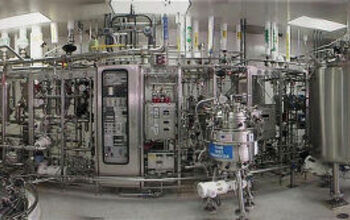
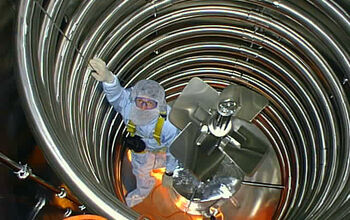
Sandra...there is no personal attack here...In my post form Nov 20...I was merely providing additional information from the very website you were quoting from...As is the case with news reporting both sides of the story should be presented...and then "armed" with all of the information... the viewer or user can then make their own informed decision based on the data. My background includes a masters degree in the biological sciences, and I worked in the Biotechnology Industry , as a systems enginner for over a dozen years. One of my job responsibilities was to ensure that our "production runs" were "clean". This is not basic house cleaning here...These large cultures had to be 100% sterile, Each production run cost millions of dollars in time and material. Heck, the raw ingredients used in the production of just one batch of growth Media, for just one of my Fermentors...exceeds the value of some homes. Failure was not an option, We relied heavily of proven scientific methods and procedures. The cleaning products we used had to work. PERIOD. A jug of salt water purchased at Home Depot for 35 bucks...was not going to get the job done. If that product worked for you great...But were your results 100% attributed to this particular product? Or were there "placebo" effects due to your heightened awareness that "changed" the growth environment... We may never know.... Biological systems are complex beasts, and it is difficult to ascertain true cause and effect relationships, with out repeated and quantified testing. One of the criteria for developing a drug or product, or testing just about anything, is efficacy. In these cases double blind studies and clinical trials are used and developed. An even in these highly controlled environments the results are not black and white. The combined data based on many measurement parameters are then "processed" using statistical evaluations. Then this "data" may indicate a trend, but its not absolute. These attached pics show the a few "components" of the many systems I was responsible for...the big wide one was one of my "babies" I helped designed this skid and maintained it for over a decade. The other pic is me inside one of the vessels we used in production. That tank cost about 750 K.
KMS Woodworks
on Jan 20, 2012
-
MOVE!
Tuscan Stone Mantels
on Jan 27, 2012
Sign Up to Answer
Related Discussions







Suggested Project Book