To power wash or not to power wash?
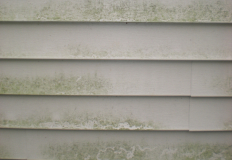
What is the quickest and easiest way to remove mildew from siding? I have heard that power washing can lead to water damage behind the siding. Is there an eco-friendly product to that I can use with a brush to remove the mildew? Also, is there any way to prevent it from coming back?
You must spray from the top down. using care not to point the wand up so water gets propelled up behind the siding.
Lower pressure works better when ever you can. So choosing the correct tip is very important as well. A large fan pattern softens the pressure quiet a bit so you want to use that type. All to often people use the pin tip that allows the water to spray higher so they do not need to use a ladder, but that results in water under the siding.
Most power washers come with a solvent hose attached. You can purchase cleaning chemicals that this hose connects to and it is drawn up into the washer as you use it. When that is done you let the siding rest for a short while then rinse it off.
A more eco friendly method is to purchase a hose, scrub brush with long wand and some mild soap or detergent solution. Wet, brush and spray.
The reason why mold returns is the area in which the wall faces, its time in the sun and quality of the paint on the surface. Mold requires something to eat and needs moisture to grow. If you can cut back tree branches so you get at least an hour or more sun you will find less mold development. Also as siding ages it begins to collect more dust in the wearing surface. As this occurs this gives the mold something to attach itself to and grow. So in this case simply hose the wall down on occasion until you can get on the house and paint it.
On another topic of siding EIFS or Stucco. The mold sometimes develops behind the lamina or surface of the stucco and stains it in that manner. If this occurs a lot, you need to have the stucco checked for leaks and caulked properly around windows and doors.
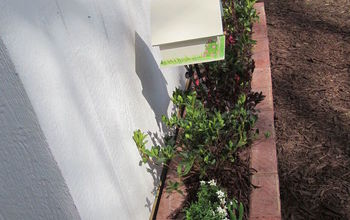
Last note, be sure to allow lots of air flow around the siding. If shrubs and trees are real close to house, mold will most certainly develop in that area.
I generally disapprove of power washing, but if done carefully with lower pressure and an angle that does not inject water behind the siding it would get the uglies gone.
If this were my job, I would get some Jomax and mix with bleach and water per instructions, spray it on and rinse off with a jet from the hose or a low pressure power washer. ...»
The ingredients in Jomax are activated by the bleach and becomes a mildewcide with a detergent action to free and lift the nasty junk off the surface so far less effort scrubbing or power washing
I stop breathing around ammonia, due to asthma and reactions.
Like bleach, ammonia will kill mold on hard non-porous surfaces such as countertops, glass or tiles but it is ineffective at killing mold growing in porous material such as wood or drywall.
Another disadvantage of using ammonia is that it is a harsh, toxic chemical. Make sure you never mix ammonia with bleach because the gas they create when combined is toxic. Chlorine mixed with ...»
Additionally, although ammonia can kill surface mold, dead mold and dead mold spores are still allergenic so you will need to make sure to remove them afterwards.
How to Kill Mold with Ammonia
To kill mold using ammonia, create a solution of 50% clear ammonia and 50% water in a spray bottle and spray it on moldy areas.
Make sure the ammonia you use says "clear ammonia" on the label.
Leave the area for a few hours before wiping and rinsing.
Often detergents or mold cleaning products will contain ammonia. In that case just follow the directions on the label and be sure never to mix it with bleach.
In my business which does this type of work, I would never use the stuff as its way to difficult to deal with, you must wear special breathing equipment which we do, but must add filters to prevent breathing of the fumes that are given off. And because of the risk of other fumes that can result when ammonia mixes with them we just do not do it. Its one thing to wipe a counter or some other hard surface, but to do an entire wall on the outside of the house. It simply should not be done.