

« View Post
Photos

Oops! Leave without saving?

If you leave this page, the information you have entered will not be saved!
Are you sure you want to leave this page?

Leave this page Stay on this page

Hometalk.com

  • Sign Up
  • or
  • Log In
  • Professionals
  • Community
    • All Members
    • Professionals
    • Bloggers
  • About
    • About Hometalk
    • Blog
    • FAQ
    • Guidelines
    • Resources
    • Support
    • Press
    • Contact
    • Terms of Use
    • Privacy Policy
  • Following
  • All Topics
    • Cleaning & Organization
    • Crafts
    • Design & Décor
    • DIY Projects
    • Gardening
    • Home Maintenance & Repairs
    • Outdoor Living
    • Painting
    • Remodeling
    • Repurposing & Upcycling
    See More Topics »
  • Questions
    • All Questions
    • Open Questions
    • Unanswered Questions
  • Clips
Post & Ask
Join Now

Hometalk is where people share and help with everything home & garden

0
Find me on g+
Home Repair Tutor
Home Repair Tutor Blogger Pittsburgh, PA on Jun 26, 2012
Like Clip

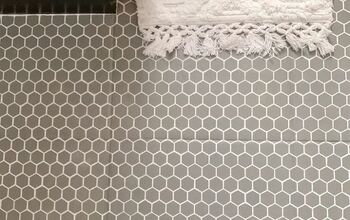
Avoiding Bathroom Tiling Mistakes

Tiling is such a great way to update a bathroom, but it can be challenging when done for the first time. I decided to assemble a quick tutorial on my blog about the initial steps of laying tile flooring in a bathroom. The first video is attached below. And if you have any questions or comments please add them to either Hometalk or my website. Check out the full post along with the second video tutorial at www.homerepairtutor.com.

Thanks,

Jeff

  • Bathroom Tiling Layout-Part 1
Post Comment | Like | Clip | Share
1618 Views
10 Comments
  • Joe S New York, NY
    Thanks for the video - very interesting.

    In the example you say it's acceptable that the last tile is 1/2 size - but what if based on the room/tile size the last tile was smaller - eg 1/4 or 1/8 tile - would you trim the first tile at the door jam to make the other side a little bigger? or just leave it small?

    on Jun 26, 2012 · Like 0
  • Miriam I New York, NY
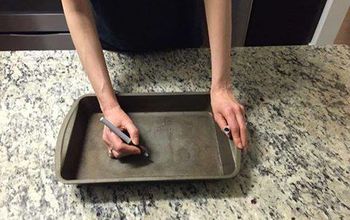
    That's an interesting question from Joe. This is a wonderful how-to. I love how you drew it out, makes it very easy to understand, particularly for a beginner like me.
    on Jun 26, 2012 · Like 0
  • Home Repair Tutor Pittsburgh, PA
    Thanks Joe for your question and it is a good one. It's up to you how to make the tiling project work but I my preference would be to trim the first tile to make up for the small sliver on the back wall. For example, let's say the last tile is only 1 inch wide and you have a full 12 inch tile at the door jamb. The total length of the two tiles is 13 inches. I would personally make two equal width tiles of 6.5 inches for the sake of symmetry. Thus, you'd have a 6.5 inch tile at the doorway ...»
    and a 6.5 inch tile on the back wall.

    But you wouldn't have to do it my way. The first tile could be say 10 inches at the jamb and the last tile on the opposing wall could be 3 inches. You could always do a dry layout and see what width tiles you like best before making any cuts with the tile saw. Hope this helps.

    on Jun 26, 2012 · Like 3
  • Home Repair Tutor Pittsburgh, PA
    Thank you Miriam, I really like doing these type of videos and hope others enjoy them, too. There are many videos on YouTube of actual tiling projects, but only a few of this nature. Hopefully the videos are helpful for other members of Hometalk :)
    on Jun 26, 2012 · Like 1
  • KMS Woodworks Nederland, CO
    Another option is to plan your "possible" layouts before you get the tile...tile can be 12" 13" 16" etc. or even 6" minor tweaks in the grout spacing can also help....1/8" bumped to 3/16" over a long run may make up for a sliver of tile.
    on Jun 27, 2012 · Like 3
  • Joe S New York, NY
    @home repair tutor - thanks for your detailed answer. Looking forward to more videos.
    on Jun 27, 2012 · Like 0
  • Leslie D Las Vegas, NV
    Your tutorial is great. Layout before you start to tile is so important. Walls are rarely square, so a dry fit to determine the visual is so important because if you start in the wrong place, you could end up with a tile at your entry or against the tub that is not straight if the wall where you started isn't straight, and it would be an eyesore and make your work look amateur-ish. They don't tell you this stuff on the box of tile!
    on Jun 27, 2012 · Like 0
  • Home Repair Tutor Pittsburgh, PA
    Thanks KMS for your great suggestion, I'm thinking of putting together a followup video based on your comments :)
    on Jun 27, 2012 · Like 0
  • Home Repair Tutor Pittsburgh, PA
    Thank you Joe, I'm really happy the video was helpful for you. If anyone you know can benefit from it feel free to refer them to this post or my blog.
    on Jun 27, 2012 · Like 0
  • Home Repair Tutor Pittsburgh, PA
    Thanks Leslie, I personally have never worked with a truly square wall. I laughed when you wrote about the tile box not being very informative-it's so true.
    on Jun 27, 2012 · Like 0

NOTE: You can drag and drop your photos to reorder them
Required
Comment Saving...

Related Posts

  • Enjoy Decorating, Staging, Remodeling and EASY Living at Home by adding these 6 FREE mobile apps to your phone today!
  • Delta In2ition Shower Heads: An Easy Refreshing Upgrade for Bathrooms
  • Easily Fix Squeaky Carpeted Floors
  • 7 Likes

    Joanieshand Sue O'Mullan Terri C LaTonya Braggs Marg C Joe S Abc

Clipped to 7 Boards »

  • Becky
    DIY tutorials
    by Becky
  • Yair S
    Tiling Tips
    by Yair S
  • Sue O'Mullan
    diy
    by Sue O'Mullan

Related Topics

Home Maintenance & Repairs, Tiling

Recent Questions »

  • Cyndi Moore Tippett
    Threshold ideas for tile to wood floors
    8 hours ago 4 answers
  • Casey koogler
    How to troubleshoot rainbird sprinkler sys...
    12 hours ago
  • Have a question?
    Ask now & get answers»
Back
to top
Feedback