

« View Post
Photos

Oops! Leave without saving?

If you leave this page, the information you have entered will not be saved!
Are you sure you want to leave this page?

Leave this page Stay on this page

Hometalk.com

  • Sign Up
  • or
  • Log In
  • Professionals
  • Community
    • All Members
    • Professionals
    • Bloggers
  • About
    • About Hometalk
    • Blog
    • FAQ
    • Guidelines
    • Resources
    • Support
    • Press
    • Contact
    • Terms of Use
    • Privacy Policy
  • Following
  • All Topics
    • Cleaning & Organization
    • Crafts
    • Design & Décor
    • DIY Projects
    • Gardening
    • Home Maintenance & Repairs
    • Outdoor Living
    • Painting
    • Remodeling
    • Repurposing & Upcycling
    See More Topics »
  • Questions
    • All Questions
    • Open Questions
    • Unanswered Questions
  • Clips
Post & Ask
Join Now

Hometalk is where people share and help with everything home & garden

0
Peace Painting Co., Inc.
Peace Painting Co., Inc. Professional Alpharetta, GA on Feb 09, 2012
Like Clip

What to do about that leaky shower and tub caulking, once and for all. Best, Charles

  • Like Clip
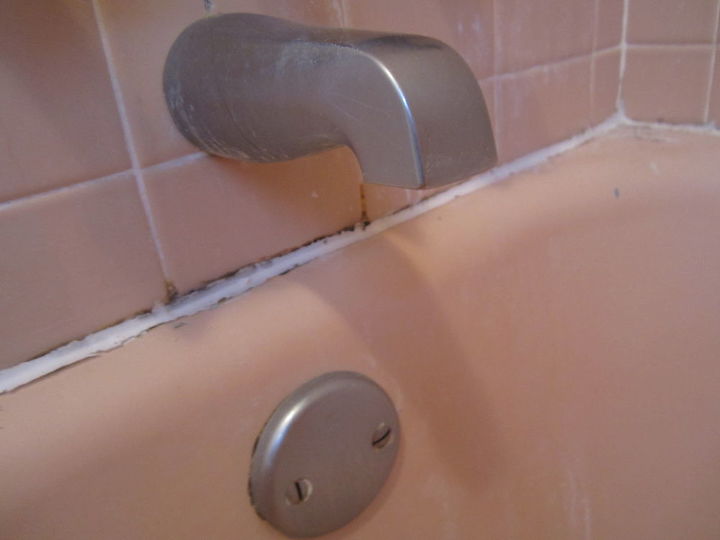
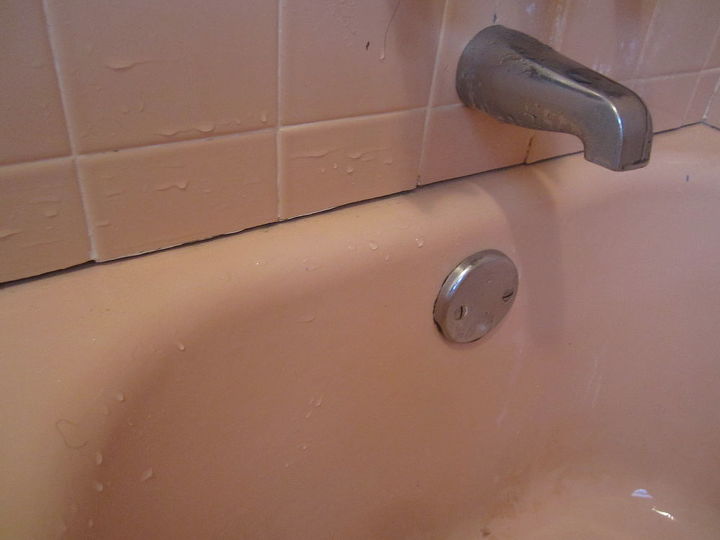
    Look familiar?!?
  • Like Clip
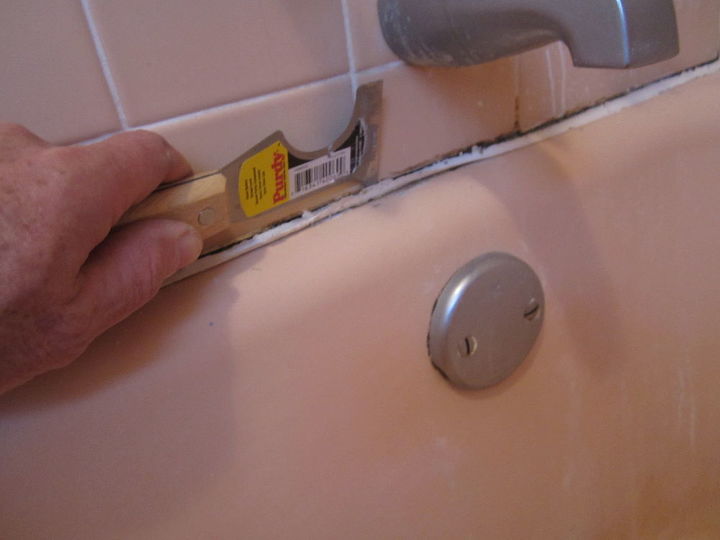
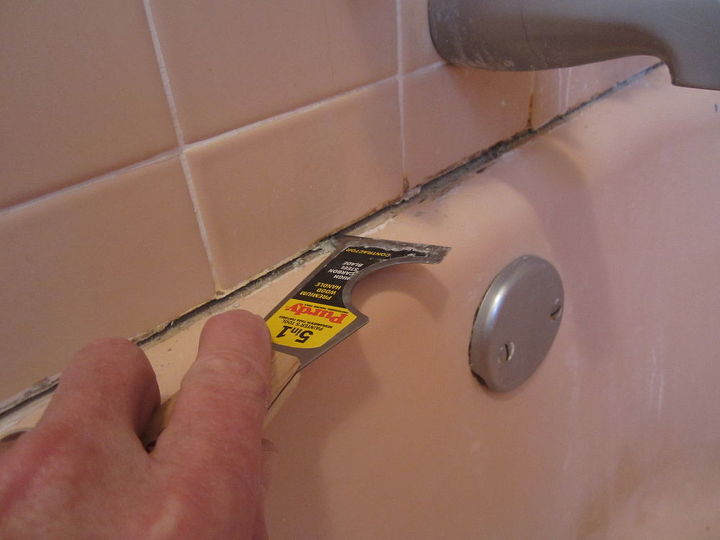
    With the point of your 5-in-1 tool, remove the old caulking.
  • Like Clip
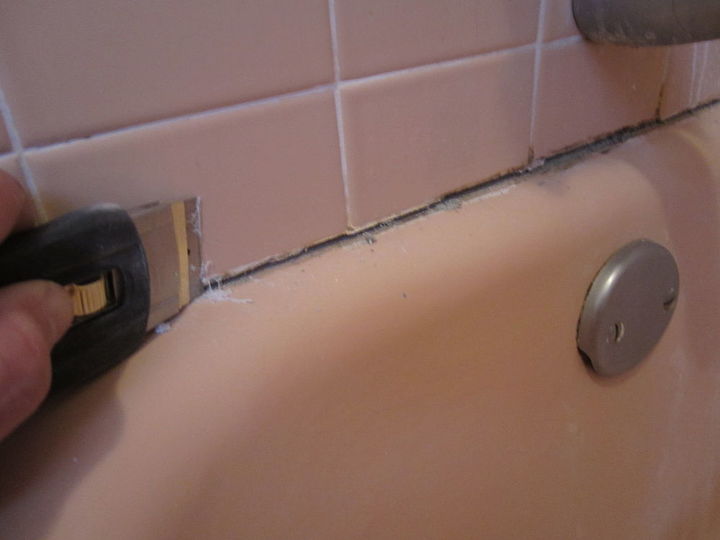
    The inside of the gap needs to be free of obstruction so the new caulk can fill the inside. Remove what you can of the old grout off of the inside edges.
  • Like Clip
    With a razor blade holder, clean the remaining caulk off of the surface of the tile and tub.
  • Like Clip
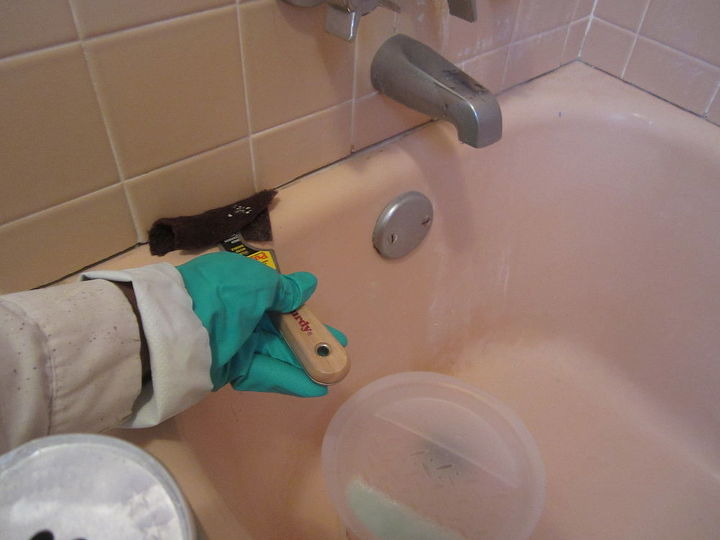
    Using a Scotch-brite pad soaked in Ajax and water, clean outside and inside the crack. All soap scum should be removed around the crack.
  • Like Clip
    1
    Flush the area to remove the dirt and soap.
  • Like Clip
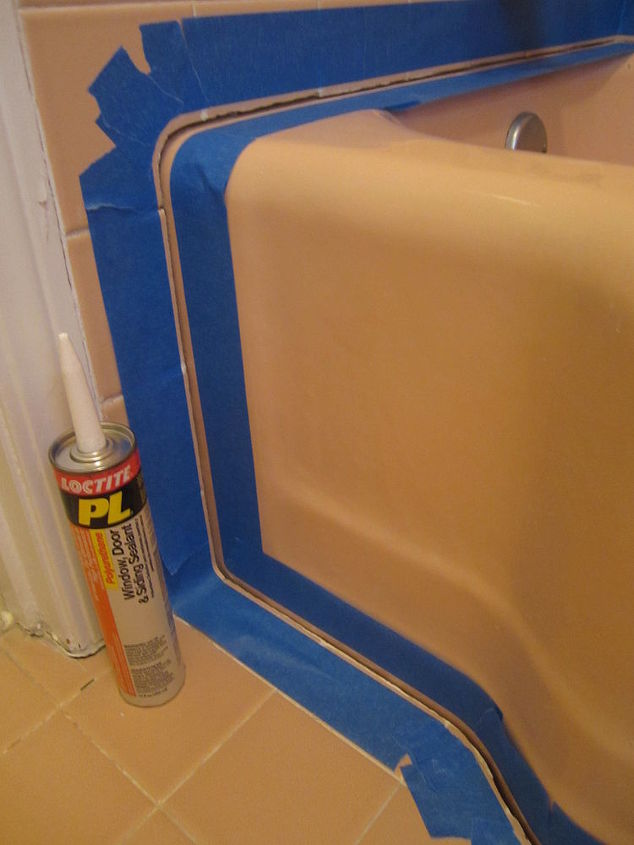
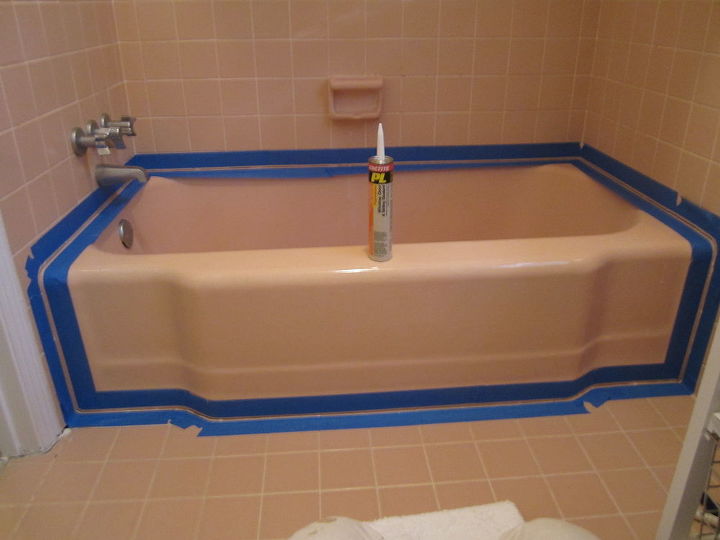
    Precisely apply tape to follow the profile of the crack making the outline of the finished caulk line. Leave about 3/16 of tile exposed on each side of the crack, enough...
  • Like Clip
    2
    Polyurethane caulk works best. This PL brand is available at The Depot.
  • Like Clip
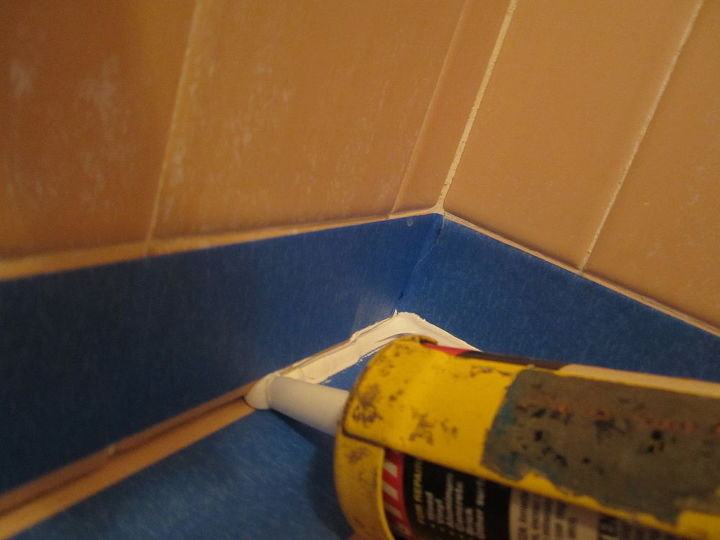
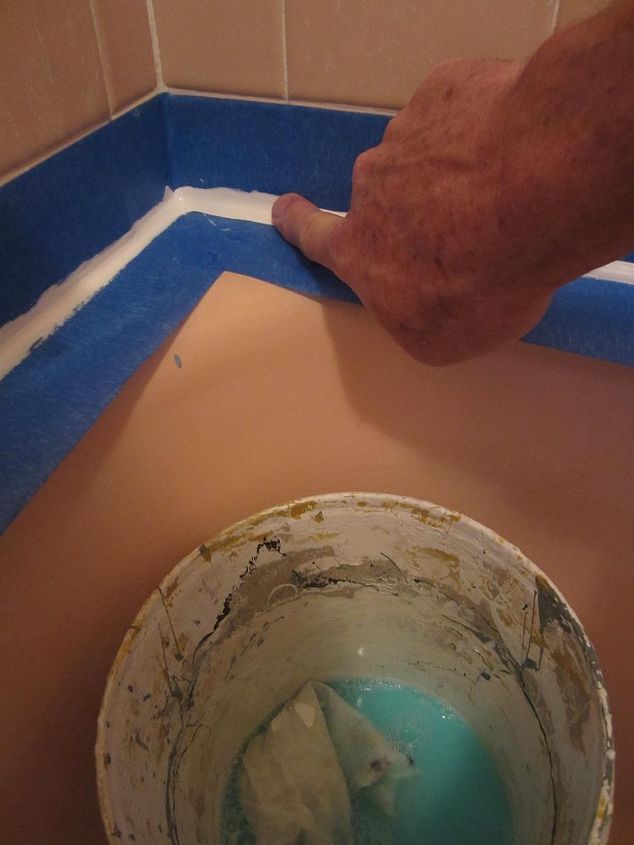
    Fill the gap with sealant, pushing sealant ahead of the nozzle. The little bulge of sealant in front of the nozzle is the only way you will know that the gap is filled.
  • Like Clip
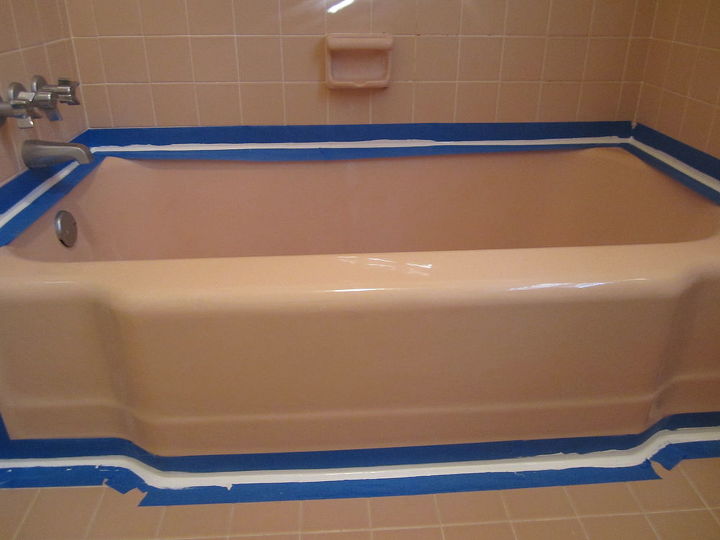
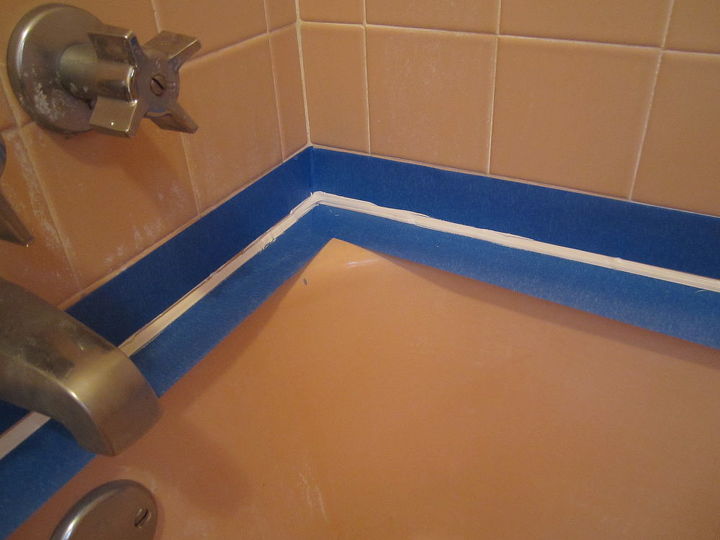
    Making progress; caulk is evenly in place
  • Like Clip
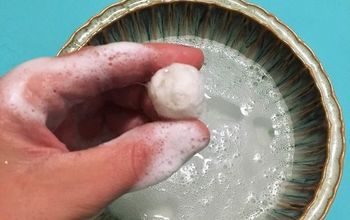
    Put a big squirt of dish washing liquid in a quart of water and throw in a small rag. Keeping your fingers wet in the super saturated soap solution, finger th...
  • Like Clip
    Almost there.
  • Like Clip
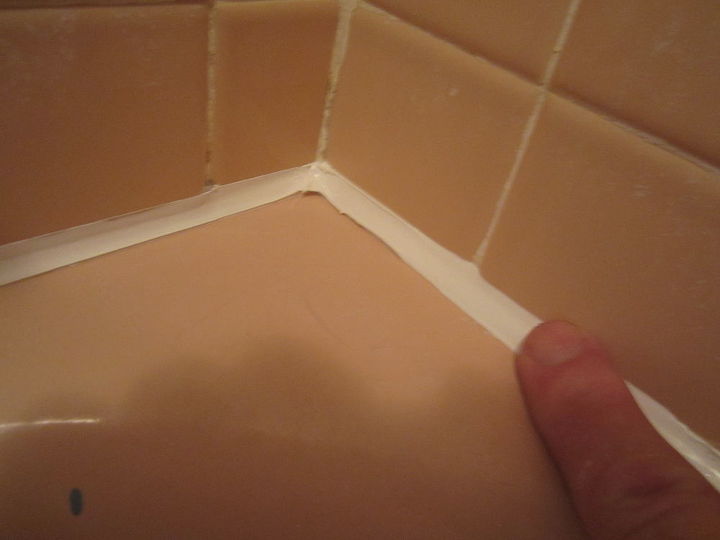
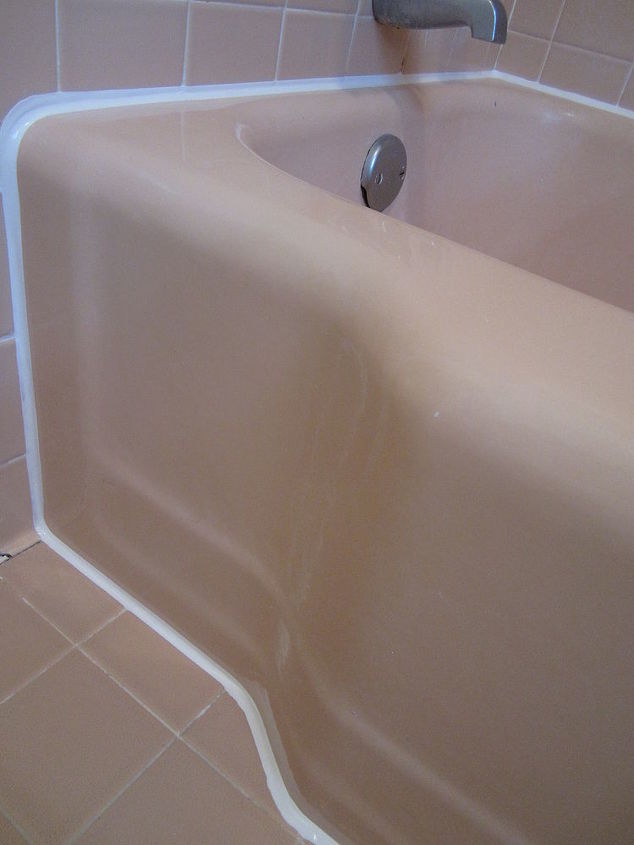
    After removing the tape, there will be little bit of a heavy edge which you can easily smooth down with a last light pass of your soapy finger.
  • Like Clip
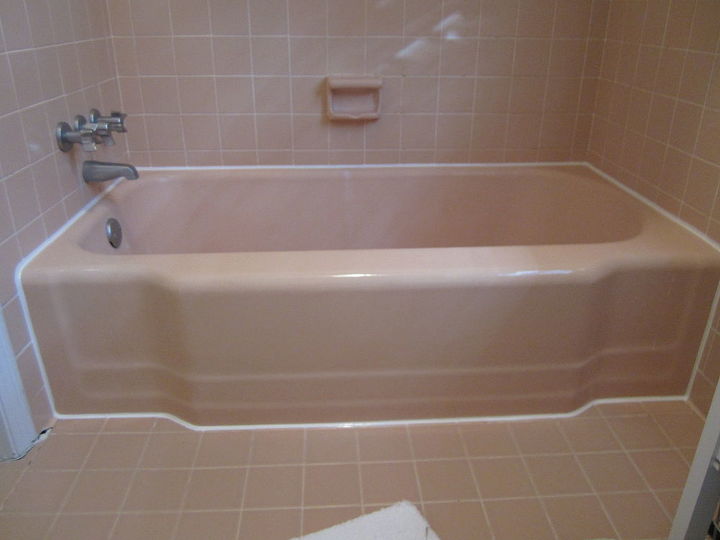
    Like a factory finish.
  • Like Clip
    The only thing that could have made this gasket turn out better would have been some band-aid colored caulk to blend in, but then you could not see how...
  • See 3 more
Post Comment | Like | Clip | Share
705 Views
18 Comments
  • Jeff C Broadview Heights, OH
    I have to do this within the next few weeks to the master bathroom. Someone decided that those plastic caulking strips that you push into the crevice would suffice as a seal. Hah, what a joke! Anyways, can you tell me of caulk goes around the fixtures themselves?
    on Feb 10, 2012 · Like 0
  • Peace Painting Co., Inc. Alpharetta, GA
    Usually you don't need to caulk around the fixtures unless there is a larger than normal gap where significant water might get in.

    Caulking is a trade in itself but this is a process you can pull off with a little finese and learning with a caulking gun.

    It helps to get the correct amount in a smooth, even bead to start with. ...»

    Also, try not to get soapy water on any surface that the caulk has not contacted yet.

    Happy gun slinging,

    CP

    on Feb 10, 2012 · Like 0
  • Jeff C Broadview Heights, OH
    I ended up getting quite a bit of practice with Silicone caulk when I tried to seal up gaps where wood met brick around the door and window frames. I learned very fast that Silicone is sticky and can lead to a big mess in a hurry. This has me looking at different caulks such as Latex Acrylic that's easier to handle. However, I mastered the technique of dipping my index finger into a cup of soapy water and putting down a nice finish. Still working practicing on my Nozzle angle cutting and ...»
    applying a steady bead of caulk without lifting the gun to start over.

    The hardest thing I discovered with caulk is that you need to use the long, sharp needle on the caulk gun to break the seal within the tube of caulk. I failed to do this with my first tube and I broke the caulk gun because I was squeezing with both hands to get the caulk to come out. Instead of coming out of the nozzle, it came out of the back of the tube and made a big mess within the gun.

    I'm much smarter now lol.

    on Feb 10, 2012 · Like 1
  • Yamini LEED AP at Urbanmo... Duluth, GA
    Wow this so cool Peace. You do a good job and your posts are so useful to the average homeowner.
    on Feb 10, 2012 · Like 1
  • Peace Painting Co., Inc. Alpharetta, GA
    Outside, you had the right idea to use a solvent base caulking for more flexibility where two different materials meet and there are larger joints and more movement. However, there is never a good reason to use silcone around anything paintable, even the paintable kind.

    After taking out the loose caulk between the brick and trim, you can use the polyurethane there, with backer rod where needed. ...»

    When applying latex caulk, use the same method with no soap and you will get a perfect bead everytime.

    It sounds like you are well on your way to earning your license and becoming what my latino friends call a pistolero.

    Chas.

    on Feb 10, 2012 · Like 0
  • Ricardo B Alpine, TX
    Neat job!

    In order to get away from the tedious and time intensive use painter's tape, I once tried it free-handed like I watched some installation people do it. Thought it was a snap... What a mess I made!

    Doing it free-hand takes practice, practice and patience.

    on Feb 10, 2012 · Like 2
  • HandyANDY Home Renovation... Marietta, GA
    When caulking baths, always clean the area thoroughly with Krudkutter or Microban prior to caulking to kill off any lingering mold/mildew. If you caulk over it, you've given it a great place to grow. Also use a premium bath caulk with Microban in it...I've used the GE product with good results. I typically freehand these but have been doing it for years. Great pics Peace.
    on Feb 10, 2012 · Like 0
  • AK Complete Home Renovati... Marietta, GA
    Great tips! Great pics! We see another blog building...OK?
    on Feb 10, 2012 · Like 0
  • SheilaG, Plum Doodles Acworth, GA
    Great tutorial. I love the band aid comment, that's exactly the color. :)
    on Feb 10, 2012 · Like 1
  • KMS Woodworks Nederland, CO
    but its still a pink tub...LOL
    on Feb 10, 2012 · Like 0
  • Peace Painting Co., Inc. Alpharetta, GA
    Building blogs sounds constructive AK (-;

    Thanks for the encouraging word Yamini.

    Using mastic type caulk is the only time tape comes in handy so you can push it in and around and make an even look. It can be done without it but the lines don't come out crisp.

    The job took about 2 hours and can be done for around $75., if we are working there and don't have to make an extra trip.

    CP

    on Feb 10, 2012 · Like 0
  • Woodbridge Environmental ... Colonia, NJ
    Great post Peace. Only thing I would add is to add water to tub to weigh it down so any gaps open up between tub and tiles. Some low cost steel tubs move a bit when weighted down.
    on Feb 10, 2012 · Like 0
  • Peace Painting Co., Inc. Alpharetta, GA
    Thoughtful point.

    Instead I sat in it.

    Next, they've asked me to caulk the Space Station.

    CP

    on Feb 11, 2012 · Like 0
  • Amazing Improvements and ... Marietta, GA
    Charles...... Space Station?? Perhaps those slovent based chaulks are getting to your brain! Nice work !
    on Feb 11, 2012 · Like 0
  • Peace Painting Co., Inc. Alpharetta, GA
    It's one of the fringe bennies..
    on Feb 11, 2012 · Like 0
  • Peace Painting Co., Inc. Alpharetta, GA
    When I first started painting, all the products we used were oil base, including ceiling and wall paints. There were no respirators at that time. Almost everyday we came home loopy. The only thing that would take that knawing feeling in our stomach was a beer. And that's how painters got their reputation.

    Now, I cannot afford to lose anymore IQ points so on goes the respirator.

    on Feb 12, 2012 · Like 0
  • Woodbridge Environmental ... Colonia, NJ
    That is why your still in business. We all have to be a bit loopy to do some of the stuff we do! Now they are taking all the fun out of it by being green.
    on Feb 12, 2012 · Like 1
  • KMS Woodworks Nederland, CO
    In the floor finishing biz...it still is that way when working with some of the catalyzed...glitza type finishes...Those that do not use a respirator are soon reduced to the mental capacity of a turnip.
    on Feb 13, 2012 · Like 0

NOTE: You can drag and drop your photos to reorder them
Required
Comment Saving...

Related Posts

  • How to Build Custom Window Screens in Less Than 15 Minutes
  • DIY Draino
  • Prepping outdoor furniture for spring
  • 6 Likes

    Susanrat Tish Brock Judy H Woodbridge Environmental Tiptophouse.com SheilaG, Plum Doodles Jeff C

Clipped to 2 Boards »

  • Tish Brock
    Bathroom
    by Tish Brock

Related Topics

Home Maintenance & Repairs

Recent Questions »

  • Elizabeth Wolfe
    Musty smell from broken water line
    6 hours ago 3 answers
  • Cyndi Moore Tippett
    Threshold ideas for tile to wood floors
    8 hours ago 2 answers
  • Have a question?
    Ask now & get answers»
Back
to top
Feedback