Is paintable wallpaper a good solution to dress up a ceiling?

by
Lisa D


+1
We ordered some paintable wallpaper from home depot. It is supposed to mimic old tin formed ceiling, on a budget of course. Anyone else tried this?
4 answers
-
Sure it is, its a bit difficult to work overhead, but it can be done. It is wise to have bakers scaffold set up with extra set of hands when doing this. Its not a one person on a ladder type of project. Also using a lazer to set your lines on ceiling will help a lot. As its harder to see if your running out of square when placing it on over your head. While on walls you can use a level to check as you go.
 Woodbridge Environmental Tiptophouse.com
on Feb 13, 2012
Woodbridge Environmental Tiptophouse.com
on Feb 13, 2012
-
Lisa- Do you have a Pinterest acct? There are TONS of images with people doing this very thing and it's amazing how it transforms a room! Good luck!
EXOVATIONS
on Feb 13, 2012
-
Exo, can you link that Pinterest link here to the post? I'd like to take a look at this, seems interesting!
Yamini LEED AP at Urbanmotifs
on Feb 13, 2012
-
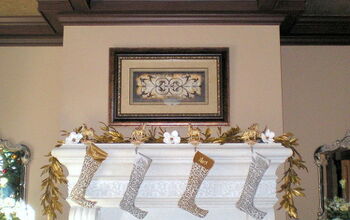
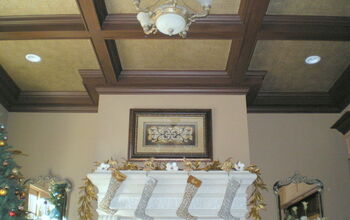
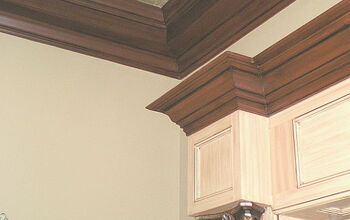
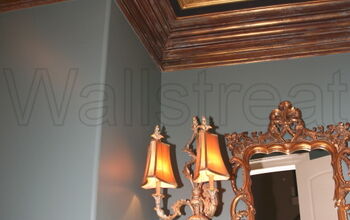
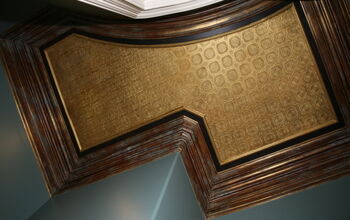
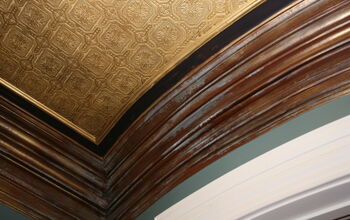
We do this a lot. . . especially inside of coffer ceilings. For ceiling applications, gravity is not your friend. Here are some tips: 1)Once applied, give it a coat of oil base primer. This will seal the seams before adding water based paints. 2) Do not use flat paint. Instead, use at least an eggshell sheen. In this case, you want more reflection to bring out the texture. 3) For more depth, consider applying an over glaze with a rubber trowel or high light the raised areas using a foam brush. 4) When working on a ceiling, have someone on the ground who can see what it looks like from below. It is very difficult to judge when you are only 2 feet away. 5) Wear a neck brace if you have one. OR have a good massage therapist on speed dial! Attached are 2 projects with the link to see all of the BEFORE and AFTER photos.
WallsTreat Studio/ Kass Wilson
on Feb 14, 2012
Sign Up to Answer
Related Discussions







Suggested Project Book