
HardieBacker: Your Tile Floor Isn't Moving Once It's Installed

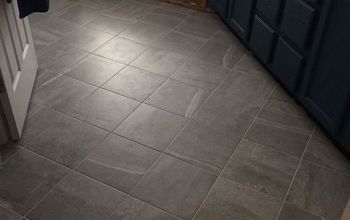
My sister wanted her new porcelain tile floor to look great. One way we accomplished this was by using HardieBacker underneath it.
My last few posts share why I love this cement board and how it prevents cracked tile. Today I want to show why the Incredible Hulk would have a hard time moving your tile once it's properly secured on top of HardieBacker.
Here are some quick takeaways that will help you understand why:
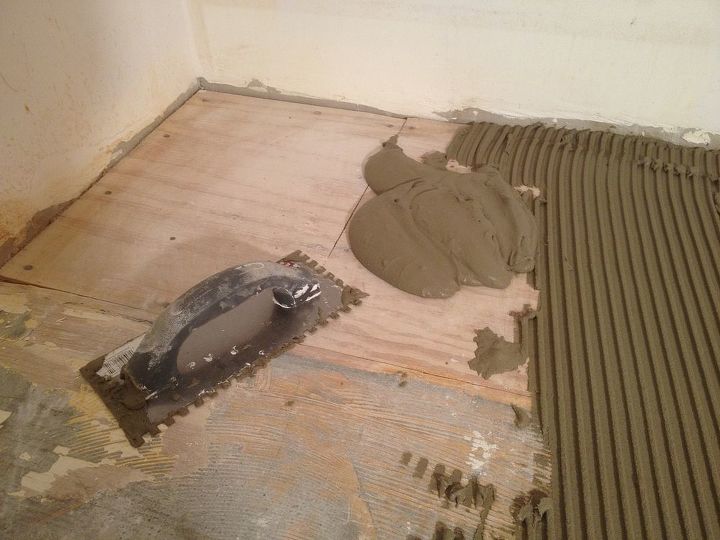
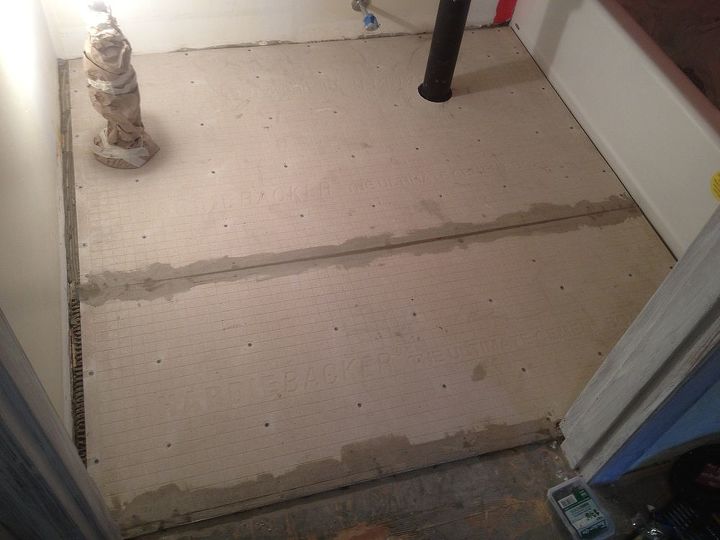
+HardieBacker should be placed on a supporting bed of thinset
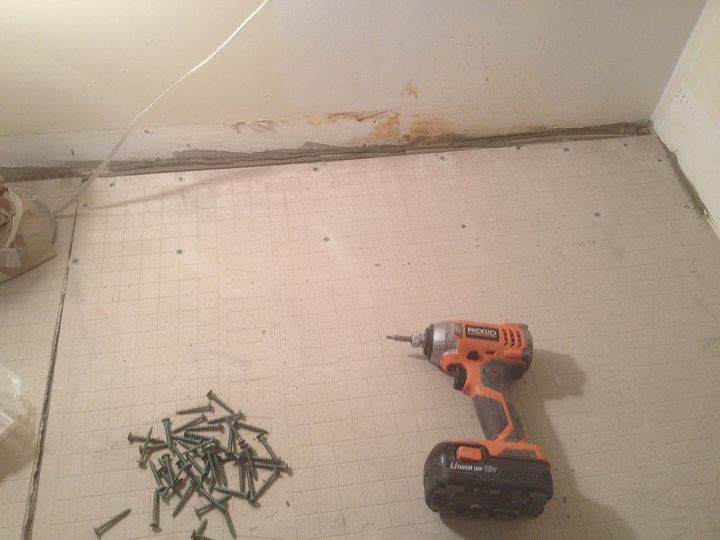
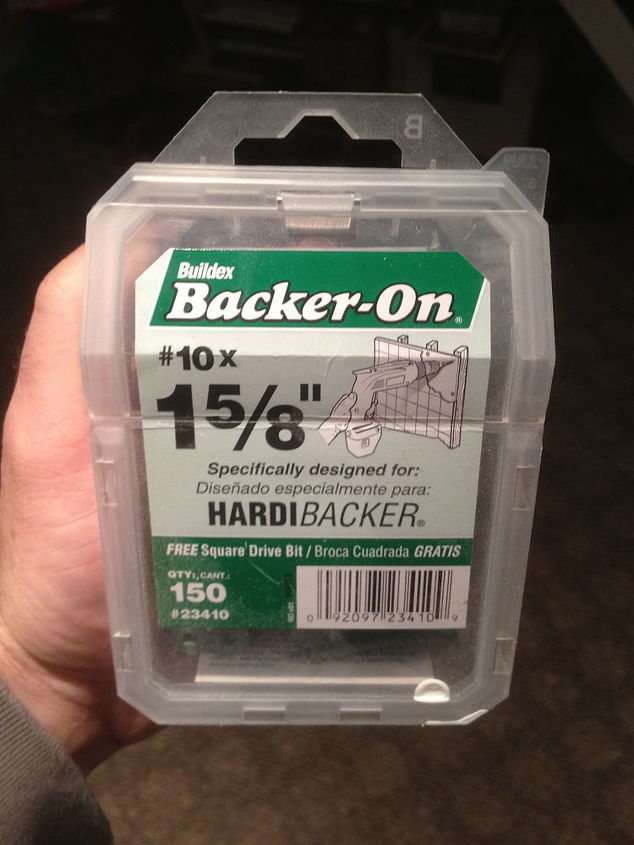
+Use alkali resistant screws to fasten the HardieBacker to the wood subfloor
+Screws should be fastened every 8 inches within the panel field
+Fill joints between HardieBacker panels with the mortar you'll use to install the tiles
+Embed alkali resistant fiberglass tape on top of joints
+Smooth out the mortar that oozes out from the tape to avoid uneven tiles
For more tips and numerous pictures click here http://www.homerepairtutor.com/how-to-install-hardiebacker-on-a-bathroom-floor/
If you have additional tips please share them with the Hometalk community.
My last few posts share why I love this cement board and how it prevents cracked tile. Today I want to show why the Incredible Hulk would have a hard time moving your tile once it's properly secured on top of HardieBacker.
Here are some quick takeaways that will help you understand why:
+HardieBacker should be placed on a supporting bed of thinset
+Use alkali resistant screws to fasten the HardieBacker to the wood subfloor
+Screws should be fastened every 8 inches within the panel field
+Fill joints between HardieBacker panels with the mortar you'll use to install the tiles
+Embed alkali resistant fiberglass tape on top of joints
+Smooth out the mortar that oozes out from the tape to avoid uneven tiles
For more tips and numerous pictures click here http://www.homerepairtutor.com/how-to-install-hardiebacker-on-a-bathroom-floor/
If you have additional tips please share them with the Hometalk community.
Comments
Join the conversation
2 of 14 comments
-
Well I guess Hardie makes good products overall. I'm glad you shared your experiences Sharon with the Hardie siding. We are thinking of using it
-
@KMS, sorry I was confusing....the gunclub building was one event....mom's neighbors turkey hunting is entirely seperate....























Frequently asked questions
Have a question about this project?