Painting is a home project that almost everyone will encounter. On Hometalk, you can get advice on every aspect of your painting project, from selecting a color scheme to preparing the walls. For inspiration, check out photos of DIY painting projects and paint jobs by professionals. There are so many conversations on Hometalk about interior and exterior painting. Search for specific painting issues, and you'll find that your question about painting might have already been answered. Or just post photos to celebrate a successful painting endeavor.
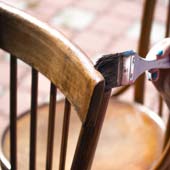
Painting: Can I use wall paint on old, finished wooden furniture?
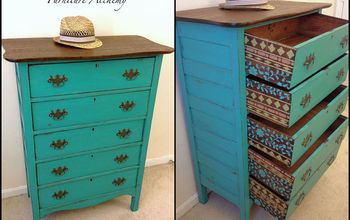
I bought some teal and lime paint from the mis-tint rack at Lowe's, intending on using it on the walls. I also wanted to use it on the furniture so it all matches, but I want to make sure that it is going to stick. I have read about sanding and priming it first, but I would love to know if there is any way I can get around this step without buying any other special paint? ...»
$4.00 Spray Paint in a POPULAR Chalk Paint Color!
Original Petite Paintings
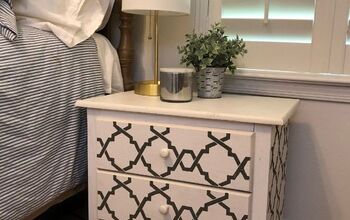
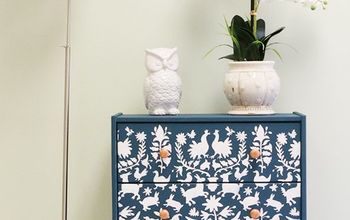
French Stenciled End Table
Distressed Step Stool Using Maison Blanche Paint
Reviving Old Wood Outdoor Furniture With a Coat of Paint!
-
Thank you Sherrie!
Stencil Upholstery Fabric With Chalk Paint®!
Here's a Clue as to What Stencil Color You Are!
Painting: Paint my paneling?
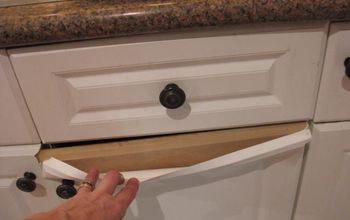
Painting: My cabinets are pressed wood, swollen from water, how do I repair.
-
Claudia Thomas That would be ...»


I absolutely hate sanding so before I ever painted my first piece of furniture, I did quite a bit of internet research and found a way to get excellent, long-lasting results with NO sanding. The substitute for sanding is a product called "liquid sandpaper" or "deglosser." You can find it in any hardware store. I personally like Klean Strip Sander-Deglosser. When you wipe your furniture down with it, it cleans off any dirt and old grunge but more importantly, it leaves some "tooth" for your primer to grip to.
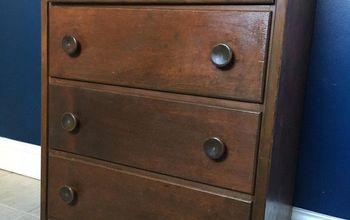
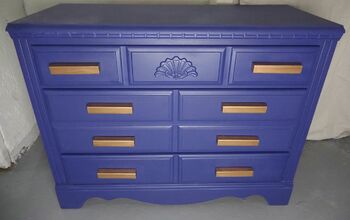
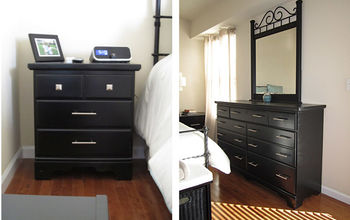
After using the liquid sandpaper, I apply a good quality primer. I do highly recommend not skipping the priming step. (A quart of primer should be more than enough to do this dresser and the twin bed--you'll be applying only 1 or 2 thin coats.) Whether you elect to sand your furniture first, or skip the sanding and use de-glosser, priming helps the paint adhere and helps fill in any little imperfections in the surface to provide a nice base for your final paint finish. (Much like using a base coat before you apply nail polish helps your polish stick and go on smoother and more even.) Primer will also help cover up those designs on the drawers so you won't have to use as much paint to get good coverage. My primer of choice use to be the Zinsser Bullseye 123 but a couple years ago I tried the Valspar Multi-purpose Latex Primer (in the blue can and sold at Lowes) and I like it even better than the Zinsser. It's tough as nails! After applying a couple thin coats of primer and letting it dry well, I apply several thin coats of interior latex paint in the color of my choice. A final coat of clear polyurethane is optional but since you plan to use the dresser for your toddler son, it might be advisable--at least on the dresser--for extra protection in case he decides to run his little cars or trucks across it.
Don't be intimidated. Painting furniture is not hard. If you take your time, apply thin coats, and allow your primer and paint to thoroughly dry between coats, you should get very good results. Good luck and happy painting!