
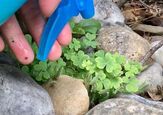

Hydrogen Peroxide to Boost Plant Growth

Boost the health of your garden's root systems with a simple, surprising household item: hydrogen peroxide. This common medicine cabinet staple isn't just for cleaning wounds—it's also fantastic for your plants. Hydrogen peroxide can help prevent root rot by adding extra oxygen to your soil, promoting healthy root growth. Let's explore how you can use hydrogen peroxide to enhance your garden's vitality.

Hometalk Recommends!
Materials Needed:
- 3% hydrogen peroxide
- Water
- Watering can or spray bottle
- Measuring cup
Step 1: Create Your Mixture
Mix one part hydrogen peroxide with two parts water. For a typical watering can, this usually means adding about 1/3 cup of hydrogen peroxide to 2/3 cup of water. If you're preparing a larger quantity, maintain this ratio to ensure the solution is effective but not too strong, which might harm the plants.

Step 2: Test the Solution
Before applying the mixture to all your plants, test it on a small section or a single plant to monitor how it reacts. Not all plants may respond the same way, and it's crucial to ensure that the concentration doesn't cause any adverse effects.

Step 3: Apply to Your Plants
Water your plants with the hydrogen peroxide solution at the base, targeting the roots. Avoid drenching the foliage, especially in direct sunlight, as this can cause damage. The best time to apply this solution is early morning or late afternoon to prevent sun-related issues.

Step 4: Observe and Repeat
After applying the first round, observe your plants for a few days to see how they respond. Healthy roots will lead to visibly healthier, more vigorous plant growth. You can apply this hydrogen peroxide mixture every few weeks, especially during periods of heavy rainfall or high humidity when root rot is more likely.
Additional Tips:
- Frequency of Use: Don’t overuse hydrogen peroxide in your garden. Regular use is good, but too much can cause oxygen levels to spike too high, which might stress the plants.
- Storage: Store any unused hydrogen peroxide solution in a cool, dark place. As it is sensitive to light, keeping it in a dark spray bottle or container will ensure it remains effective.
Using hydrogen peroxide as an oxygen booster for your garden is an easy, cost-effective method to ensure your plants develop robust root systems, setting them up for a healthy life. This simple intervention can lead to a thriving garden, less susceptible to diseases like root rot. Give it a try and watch your garden flourish!
Comments
Join the conversation
-
Vinegar for weed control
-
Can I use it on on 5 foot bush as well because it drying up and how much is enough?

































Frequently asked questions
Have a question about this project?
Do you use it the same way for house plants? Same mixture?
Is the a natural ingredient that can be used on plants to keep bugs away from the plants in the garden.
what is better sod or seed for new grass